Baghdad
Free Cancellation
Cancel anytime with no feesBest Time to Go
Sep. - MayBaghdad, the capital of Iraq, has a rich history and cultural heritage that makes it a captivating destination for visitors. Despite facing challenges in recent decades, Baghdad still possesses unique charm and beauty. The city is situated on the Tigris River’s banks and is dotted with historic landmarks and architectural wonders. One of the most iconic structures is the Al-Mustansiriya School, which is a testament to the city’s intellectual and academic heritage. The cityscape is also adorned with mosques, such as the famous Abu Hanifa Mosque, showcasing stunning Islamic architecture. Baghdad’s markets, like the bustling Al-Mutanabbi Street, offer a vibrant and authentic experience for those seeking traditional crafts, spices, and local products. The city’s cuisine is a delightful blend of flavors, with dishes like kebabs, falafel, and various Middle Eastern specialties tempting the taste buds of visitors.
Indulge yourself in the allure of Baghdad, a city that beckons you to escape the chaos of urban life and immerse yourself in its tranquil oasis of lush parks and gardens. Take a stroll along the picturesque Tigris River and be mesmerized by the breathtaking views that it offers.
Despite the adversities that Baghdad has faced, it remains a city known for its resilience and the warmth of its people. These characteristics contribute to its enduring appeal and make it a special destination for anyone seeking to explore the heart of Iraq and experience its unique blend of tradition and modernity.
Baghdad’s cultural heritage and historical significance add to its charm and make it a fascinating destination for travelers who yearn for a deeper understanding of the region. Don’t miss the chance to visit this captivating city and discover the magic of Baghdad for yourself.
A Glimpse of the History of Iraq
Baghdad is the capital of Iraq and the second-largest city in the Arab world, after Cairo. It was founded in 762 AD by caliph al-Mansur as the Round City and was chosen as the capital of the Abbasid Caliphate. In a short time, the city became a prominent cultural, commercial, and intellectual hub of the Muslim world. It was home to several important academic institutions, including the House of Wisdom, and a diverse community of people from various ethnic and religious backgrounds. This reputation earned it the title of “Center of Learning” worldwide.
During the Islamic Golden Age, which spanned from the 8th to the 13th century, Baghdad was regarded as the cultural and intellectual capital of the world. It boasted a population of over one million people, which was unprecedented at the time. The city was renowned for its grand architecture, bustling bazaars, and diverse community of scholars, artists, and merchants.
However, the city’s fortunes began to decline in 1258, when it was brutally sacked by the Mongol Empire. This catastrophic event resulted in the loss of countless lives and the destruction of many of the city’s iconic structures among them was the library that had centuries’ worth of pottery, astronomy, and technology which is the House of Wisdom, and used the books from the grand library to create a raft on the Tigris River to allow the advance of the Mongol army changing its color to black from the ink
In the centuries that followed, Baghdad struggled to regain its former glory. The city was plagued by frequent outbreaks of disease, as well as political instability and the rise and fall of multiple empires. Despite these challenges, the people of Baghdad remained resilient, and the city gradually began to rebuild.
Today, Baghdad is once again a vibrant cultural hub and a symbol of the enduring spirit of its people. Since gaining independence from the British Mandate of Mesopotamia in 1932, it has emerged as a significant center of Arab culture, with a population estimated to be 6 or over 9 million. Despite its relatively small area of just 673 square kilometers, the city remains a testament to the enduring legacy of the Islamic Golden Age and the resilience of humanity in the face of adversity.
Baghdad Attractions
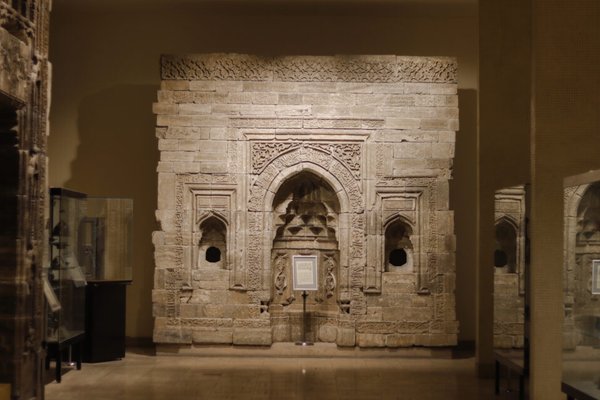
National Museum of Iraq
Discover the awe-inspiring National Museum of Iraq, located in Baghdad, it houses a diverse collection of artifacts that span over 5,000 years of Mesopotamian history. Established in 1923, the museum boasts an impressive display of ancient civilizations, showcasing artifacts from the Sumerian, Babylonian, Assyrian, and Abbasid periods.
Explore the exhibits, featuring cuneiform tablets, statues, jewelry, and pottery that offer insights into the art, science, and daily life of ancient cultures. Despite the looting that took place during the Iraq War in 2003, extensive efforts have been made to recover and restore the stolen pieces, validating the museum’s importance in preserving cultural heritage.
Not only is the National Museum of Iraq a treasure trove of artifacts, but it’s also a marvel of architecture blending modern design with elements inspired by ancient Mesopotamian motifs. Travelers interested in archaeology, history, and anthropology will find the museum to be a fascinating and educational destination, providing a glimpse into the rich tapestry of Iraq’s past.
Experience the resilience of cultural heritage and witness history come alive with a visit to the National Museum of Iraq. Before planning your trip, make sure to check the current status of the museum and travel advisories to make the most out of your visit.
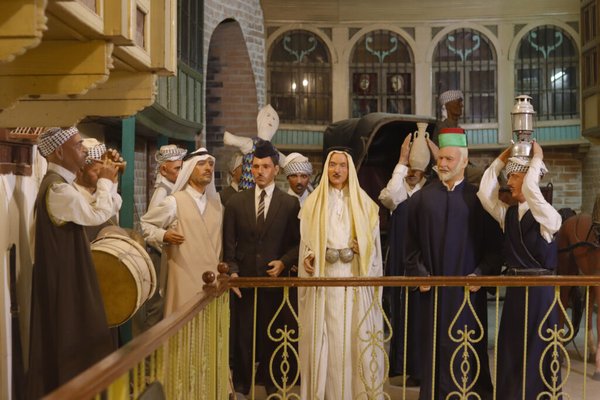
Bagdadi Museum
The Baghdadi Museum is a must-visit for anyone interested in exploring the city’s rich history. Situated on the tranquil banks of the Tigris River, this museum offers visitors an insightful glimpse into the lives of the ancient residents of the city.
As you walk through the museum, you will travel back in time and visualize the daily lives of its inhabitants, their traditions, culture, and unique architectural style. You will see how they lived, and worked, and gain a deeper appreciation for the city’s rich heritage.
it houses a collection of 385 statue models spread throughout 77 partitions accompanied by accessories, artistic materials, and necessities from the older periods and it also houses the fascinating depiction of the matriarchal system of households of ancient Baghdad named (Oum Ibrahim) and the depiction of the cultural festivities of weddings called the (Zaffa)
The museum’s location on the banks of the Tigris River makes it an ideal spot for a stroll along the riverbank, taking in the stunning views of the water and the city skyline. It is a short walk from the city center, making it a fascinating and unique stop on your itinerary.
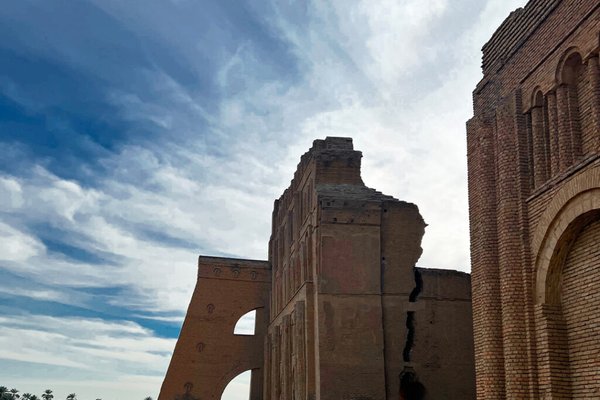
Arch of Ctesiphon
Discover the awe-inspiring Arch of Ctesiphon near Baghdad an iconic historical site that captivates travelers from all over the world. As part of the Taq Kasra complex, this ancient monument is renowned for being one of the world’s grandest single-span vaults of unreinforced brickwork, dating back to the 3rd century. Once part of the royal palace of Ctesiphon, the capital of the Parthian Empire and later the Sasanian Empire, the arch is a testament to the incredible engineering feats of ancient builders.
Experience the grandeur and significance of the Arch of Ctesiphon, attracting tourists with its impressive architecture and rich cultural heritage. The arch showcases the ingenuity of ancient builders, and visitors marvel at its intricate details, including ornate carvings and inscriptions that offer fascinating insights into the region’s history. A symbol of resilience and the enduring legacy of ancient civilizations, the arch stands tall despite centuries of damage.
Travelers exploring the site are transported back in time, gaining a deeper appreciation of the cultural heritage of Mesopotamia. The arch offers a unique and awe-inspiring experience for those interested in history and archaeology, a testament to the greatness of past empires.
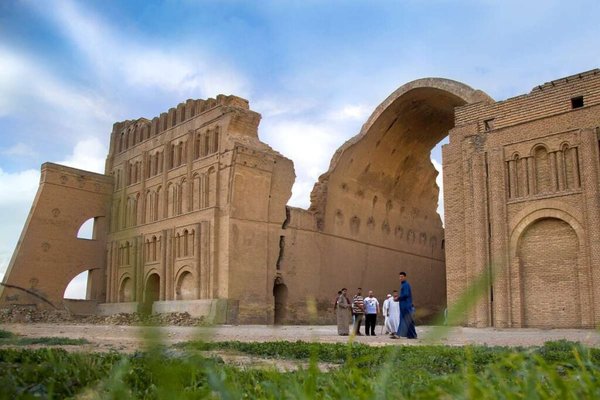
Tell Al-Madain (ancient city of Ctesiphon)
Tell Al-Madain, also known as the ancient city of Ctesiphon, is a historical site located near Baghdad that holds great significance for foreign travelers interested in exploring the rich cultural and architectural heritage of the region.
Nestled on the eastern bank of the mighty Tigris River, about 35 kilometers southeast of Baghdad, lies the ancient city of Ctesiphon, also known as Tell Al-Madain. This historical site offers a captivating journey back in time, immersing visitors in the grandeur and mystique of Mesopotamian civilization.
The site is home to an impressive collection of architectural structures, including the previously mentioned Taq Kasra, also known as the Arch of Ctesiphon. This towering structure stands as a testament to the unparalleled engineering feats of ancient Persia, leaving visitors awestruck with its intricate carvings and monumental size.
As we explore and delve deeper into the ruins of the ancient city, we can marvel at the remnants of palaces, temples, and fortifications, offering a glimpse into the artistic and cultural achievements of the Sassanian Empire. The site provides a window into Ctesiphon’s historical significance as a political and cultural hub in the ancient world, as it played an integral part in facilitating trade and cultural exchange between different civilizations.
visitors can appreciate the diverse influences that shaped the city, connecting the East and West during different periods of history. With Tell Al-Madain, visitors can embark on a unique and unforgettable journey, gaining a deeper understanding of the region’s astonishing history and cultural tapestry.
Dur-Kurigalzu
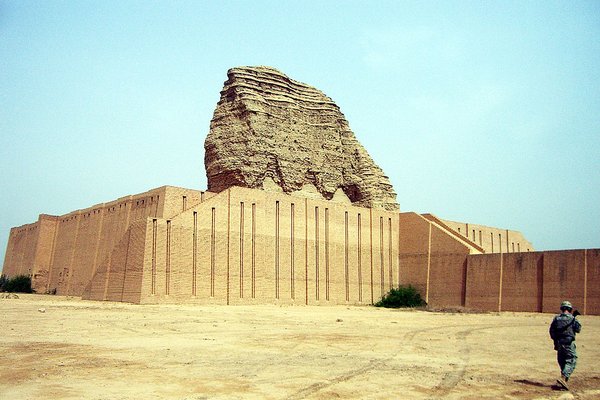
Dur-Kurigalzu is an incredibly captivating and historically significant city that has fascinated scholars and travelers for centuries. This ancient Mesopotamian city sits atop a limestone ridge, stretching from the Euphrates to the Tigris rivers in southern Iraq. It was once the royal residence and stronghold for the Kassite kings of ancient times, and its strategic location made it an ideal center for trade and commerce. During the years 1943 to 1945 CE, Dur-Kurigalzu housed awe-inspiring structures such as a monumental ziggurat, three temples, a palace with painted wall decorations, and an ambulatory with square pillars. The temples were dedicated to Sumerian deities and housed numerous valuable objects, including a life-sized statue of Kurigalzu II himself. The Ziggurat of Dur-Kurigalzu is perhaps the most striking structure in the city. This massive brick and sandstone construction, built over 3,400 years ago by King Kurigalzu of the Kassite Dynasty, stands as a testament to the power and ingenuity of the ancient Mesopotamian people. For almost four centuries, Dur-Kurigalzu served as the capital of the Kassite Kingdom. Its importance in Mesopotamian history cannot be overstated, as it played a vital role in the development and spread of Mesopotamian culture. Dur-Kurigalzu is one of the few remaining monuments that connect us to the fascinating and forgotten past of Mesopotamia. Its historical significance and awe-inspiring structures make it a must-visit destination for anyone who wants to delve deeper into the ancient history of the region.