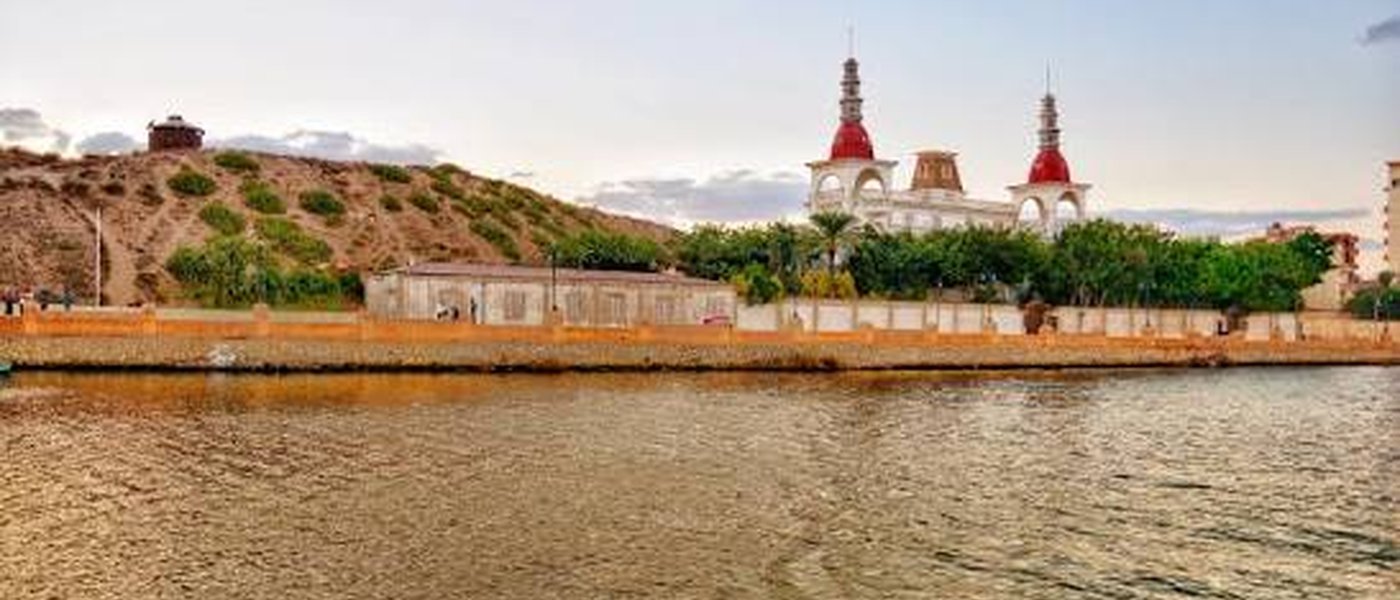
Al-Beheira
Free Cancellation
Cancel anytime with no feesBest Time to Go
.Discover Al Beheira, a captivating corner of Egypt where fertile Nile Delta landscapes stretch toward the Mediterranean coast. Rich in history, agriculture, and local traditions, the governorate offers a fascinating journey through ancient heritage and authentic rural life. Explore the historic city of Rosetta (Rashid), renowned for its Ottoman-era architecture and its connection to the discovery of the Rosetta Stone, then wander through peaceful waterways, lush fields, and traditional villages shaped by the Nile. Away from Egypt’s well-trodden tourist routes, Al Beheira reveals a quieter, more authentic side of the country—full of history, charm, and timeless Delta character.
Al-Beheira Attractions
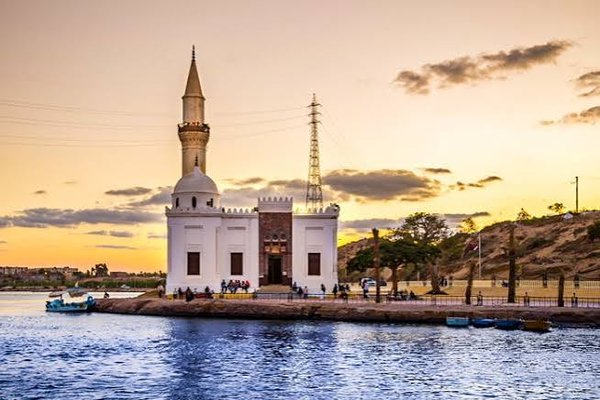
Rosetta City Monuments
Rosetta (Rashid) is a historic Nile Delta city in Egypt globally renowned as the discovery site of the Rosetta Stone, the bilingual artifact that unlocked ancient Egyptian hieroglyphs. Key heritage assets include Fort Julien, the historic site of the stone's excavation, alongside Ottoman-era mansions, traditional wikalas, historic hammams, and the Rosetta Archaeological Area. Merging distinct Ottoman architecture with vital Nile river heritage, Rosetta represents a primary intersection of world archaeology and cultural tourism.
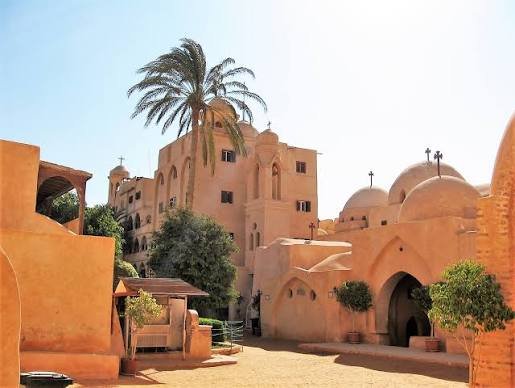
Monastery of the Syrians (Deir al-Surian)
Deir al-Surian (The Monastery of the Syrians) is a historic 6th-century Coptic Orthodox monastery located in Egypt’s Wadi El Natrun depression. Founded during the Byzantine era and deeply tied to early Syriac monastic tradition, the walled complex is globally renowned for its multi-layered medieval wall paintings, rare historic manuscripts, and exceptional desert architecture. Representing a profound convergence point for Eastern Christian heritage, Deir al-Surian remains a primary authority on ancient Egyptian monasticism.
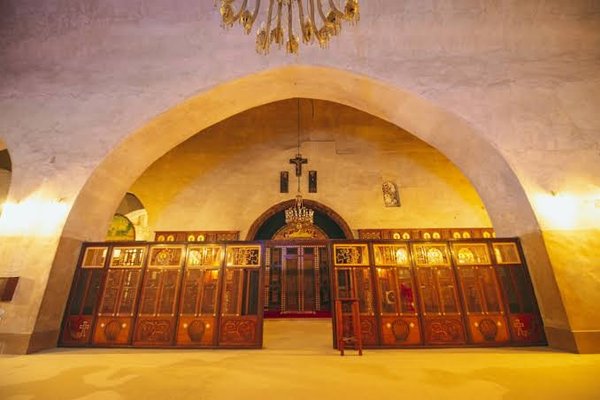
Monastery of St Macarius (Deir Abu Makar)
The Monastery of Saint Macarius the Great (Deir Abu Makar) is the premier and historically foundational monastic center in Wadi El Natrun, Egypt. Established in the late 4th century AD by Saint Macarius the Great—the pioneer of Scetis desert monasticism—the fortified complex preserves ancient sanctuaries, sacred relics, and an unbroken lineage of spiritual life. As the cradle of early Christian desert traditions and a historical seat of Coptic patriarchal authority, Saint Macarius Monastery stands as a globally vital monument to ecclesiastical heritage.
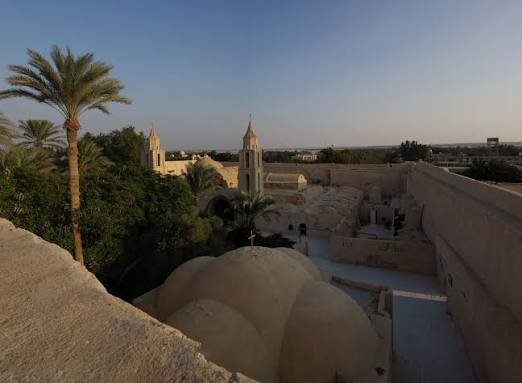
Monastery of St Pshoi (Deir Anba Bishoy)
The Monastery of Saint Pishoy (Deir Anba Bishoy) is a deeply revered Coptic Orthodox sanctuary located in Wadi El Natrun, Egypt. Founded in the 4th century by Saint Pishoy—a foundational figure of early Christian desert monasticism—the fortified monastic complex preserves ancient churches, sacred relics, and centuries of continuous spiritual life. Renowned for its serene desert architecture and living heritage, the monastery stands as a vital pilgrimage site and a cornerstone of Egyptian ecclesiastical history.
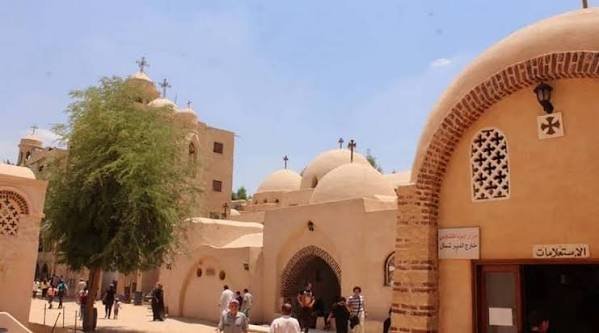
Monastery of al-Baramus (Deir Anba Bishoy)
The Monastery of Saint Pishoy (Deir Anba Bishoy) is the largest and one of the most historically significant active Coptic Orthodox monasteries in Wadi El Natrun, Egypt. Established in the late 4th century AD by Saint Pishoy—a prominent disciple of Saint Macarius the Great—the fortified desert sanctuary preserves ancient 4th-to-9th-century architecture, a 13th-century defensive tower, and the sacred relics of its founding saint. Renowned for centuries of uninterrupted monastic life and its modern legacy as a primary papal residence, Saint Pishoy Monastery stands as a cornerstone of early Christian heritage.
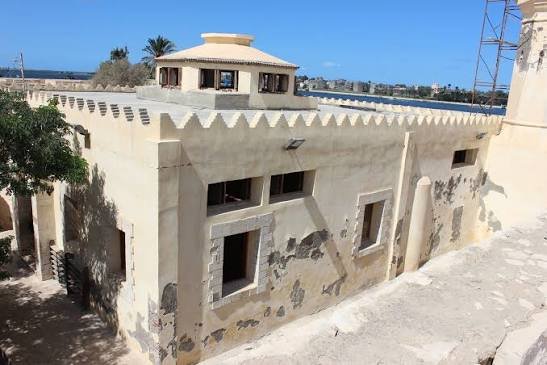
Qaitbay Citadel in Rosetta (Fort Julien)
Fort Julien (Rashid Fort) is a historic 15th-century fortress situated near the western branch of the Nile Delta in Egypt. Originally constructed in 1470 by Mamluk Sultan Qaitbay and later reinforced during the Ottoman period, the coastal fortification is globally renowned as the 1799 discovery site of the Rosetta Stone. Designed to protect vital waterways and Mediterranean trade routes, Fort Julien stands as a cornerstone of military architecture and world archaeology.