Giza
Free Cancellation
Cancel anytime with no feesBest Time to Go
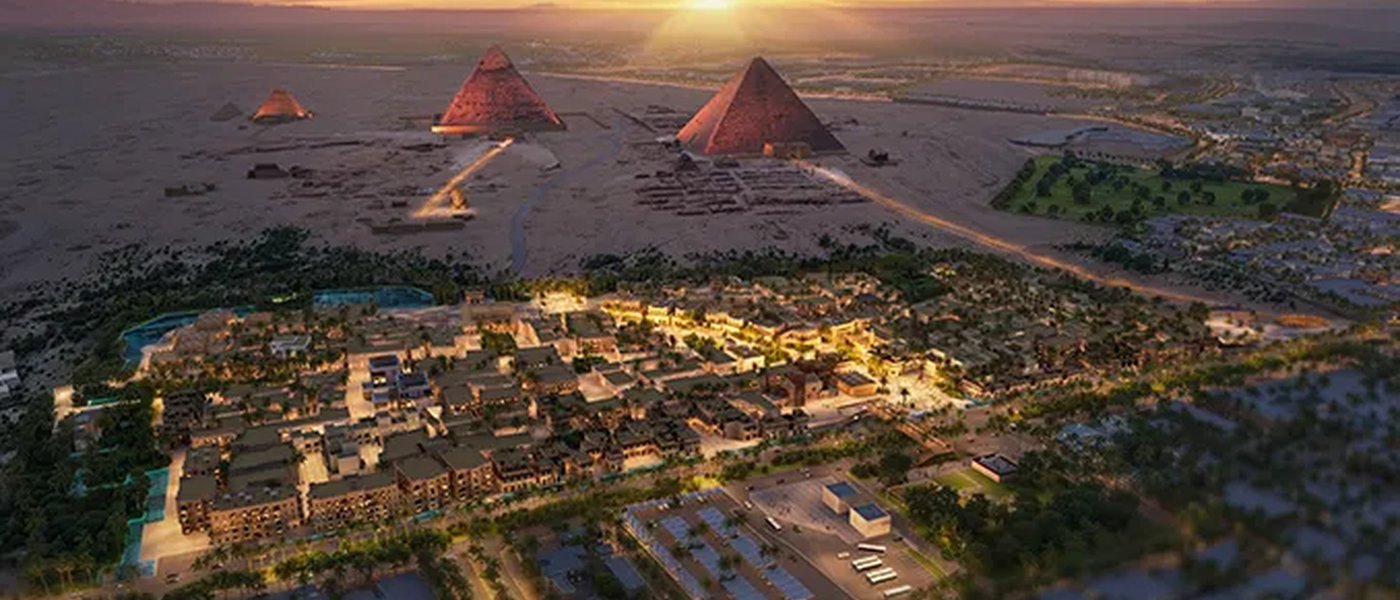
.Discover Giza, home to some of the world’s most iconic monuments and one of Egypt’s most extraordinary landscapes. Standing proudly on the edge of the desert, the Great Pyramids of Khufu, Khafre, and Menkaure and the enigmatic Great Sphinx create an unforgettable encounter with the legacy of ancient Egypt. Beyond its legendary monuments, Giza offers sweeping desert views, vibrant local life, and unforgettable experiences that connect the grandeur of the past with the energy of modern Egypt. A timeless destination where history stands before you in its most spectacular form.
Giza Attractions
Red Pyramid
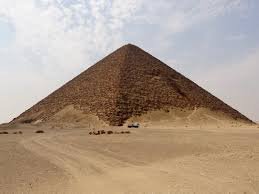
Rising from the desert of Dahshur, the Red Pyramid of Pharaoh Sneferu is the world’s first true smooth-sided pyramid and a landmark in ancient Egyptian innovation. Its vast, silent chambers and warm red limestone create a powerful sense of timeless ambition and enduring mystery.
Memphis
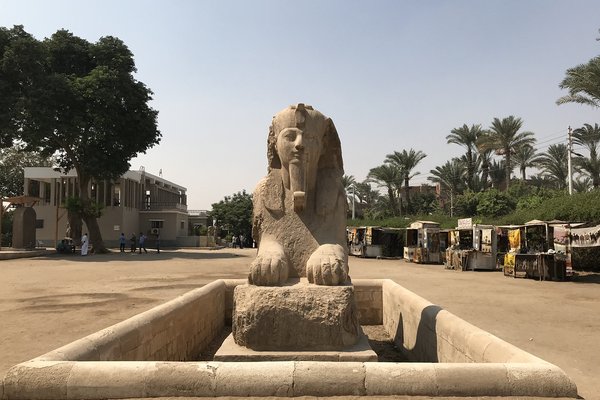
It is located 20 km to the south west of Giza pyramids, and is considered the 1st capital of Ancient Egypt. Memphis was founded around 3000 BC by King Menes who united Upper and Lower Egypt. The ancient city hosts a number of breathtaking sculptures gathered in the nowadays open-air Museum in Mit Rahina. The alabaster sphinx and the great statue of Ramases II are considered the most prominent monuments displayed there. Memphis is a must-see for the fans of Ancient Egyptian history as it embraces archeological remains reflecting how Ancient Egyptians life looked like
Grand Egyptian Museum (GEM)
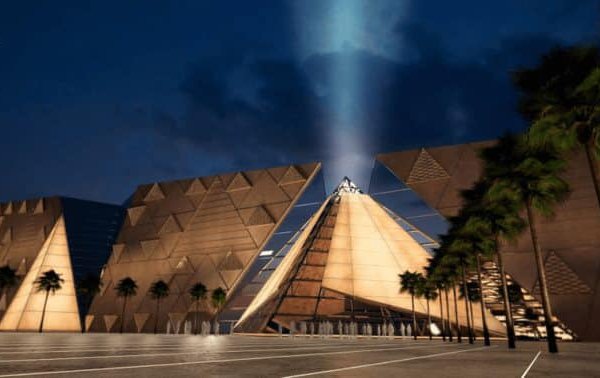
Located approximately two kilometers from Giza pyramids, the GEM is a planned museum of the most precious ancient Egyptian artefacts. It is still under construction and is scheduled to open in 2020. The museum is described as the largest archaeological museum in the world! The estimated floor area is 480,000 square meters. It is planned that the museum will include the latest interpretation technologies comprising virtual reality. It will embrace conference center, children's museum, training center and workshops similar to the Ancient Egyptian places. Stay Tuned for the opening ceremony!
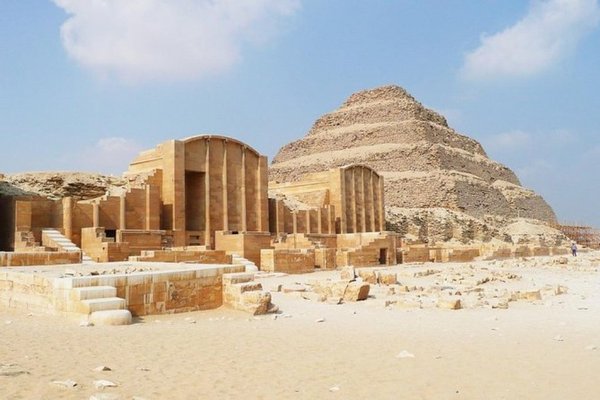
The Step Pyramid Complex of King Djoser at Sakkara
Sakkara served as the necropolis of the Ancient Egyptian capital, Memphis. The area encompasses number of tombs and monuments, the most prominent of which is the stepped pyramid built by King Djoser of Old Kingdom. The step pyramid complex at Sakkara is considered the first monument in the history of Egyptian civilization to be built completely out of stone. Despite the fact that Sakkara isn't as famous as the pyramids of Giza, but it is so significant to witness the evolution of pyramids construction throughout the history.
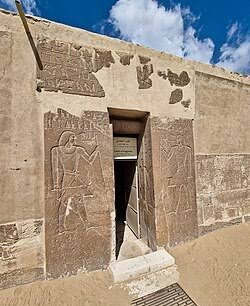
Tomb of Kagemni
Explore the elegant tomb of Kagemni, a high-ranking official who served during Egypt’s Old Kingdom. Its finely carved reliefs bring ancient life to vivid detail, depicting hunting, fishing, farming, animals, and ceremonial offerings. Away from the grandeur of the pyramids, the tomb offers a more intimate look at the sophisticated society and artistic traditions of ancient Memphis.
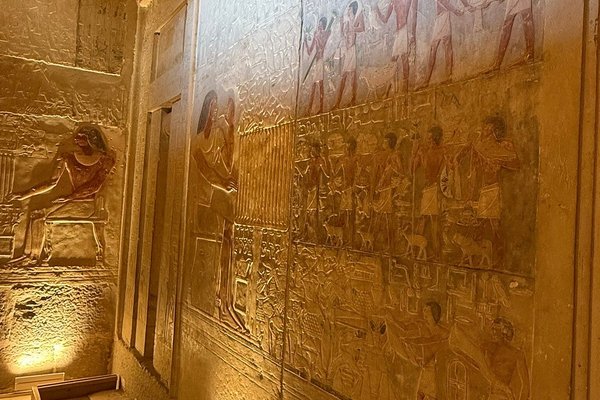
Tomb of Ptahhotep
Discover the tomb of Ptahhotep, one of ancient Egypt’s most renowned officials and a figure traditionally associated with some of Egypt’s earliest wisdom teachings. Its beautifully preserved reliefs portray scenes of agriculture, craftsmanship, music, hunting, and daily life, revealing the remarkable attention to detail of Old Kingdom artists. A visit offers a captivating encounter with both the intellectual and artistic heritage of ancient Egypt.
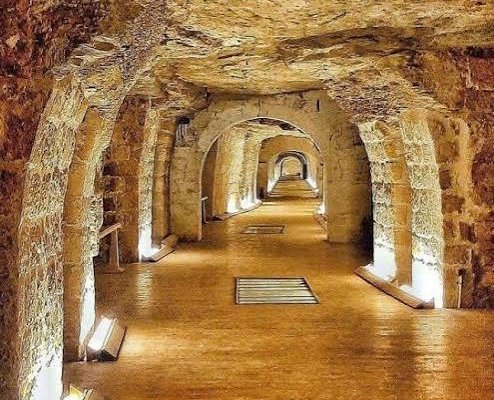
Serapeum
Serapeum of Saqqara is a mysterious underground complex in Saqqara, believed to be the burial place of the sacred Apis bulls of ancient Egypt. Cut deep into the rock, it features long stone corridors and massive granite sarcophagi that still inspire awe for their size and precision. Quiet and atmospheric, it feels like a hidden world beneath the desert, filled with ritual meaning and ancient mystery.
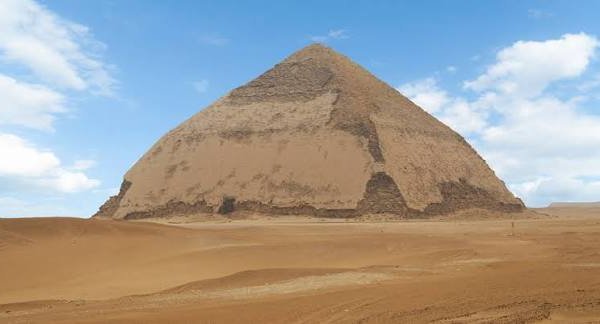
Bent Pyramid
Rising from the desert of Dahshur, the Bent Pyramid of Pharaoh Sneferu is one of Egypt’s most intriguing architectural experiments, where a sudden change in angle reveals the evolution of pyramid design. Its unusual shape and quiet desert setting create a powerful sense of mystery, innovation, and ancient ambition frozen in stone.
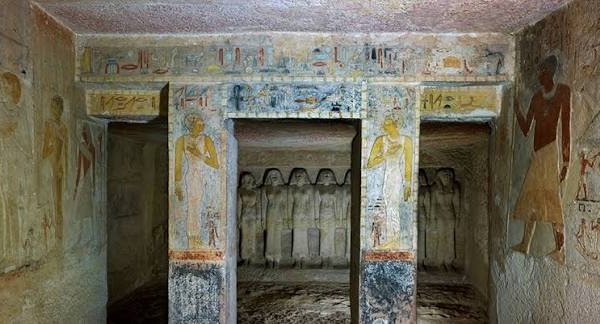
Tomb of Meresankh III
Step beyond the pyramids and into the beautifully decorated tomb of Queen Meresankh III, one of the most remarkable private tombs on the Giza Plateau. Dating to Egypt’s Fourth Dynasty, the tomb offers a fascinating glimpse into royal life through its finely carved reliefs and vivid scenes depicting rituals, craftsmen, offerings, and everyday activities. Set beneath the Giza Plateau, its richly detailed chambers reveal a more intimate side of ancient Egyptian history—bringing the people, traditions, and artistry behind the monuments vividly to life.
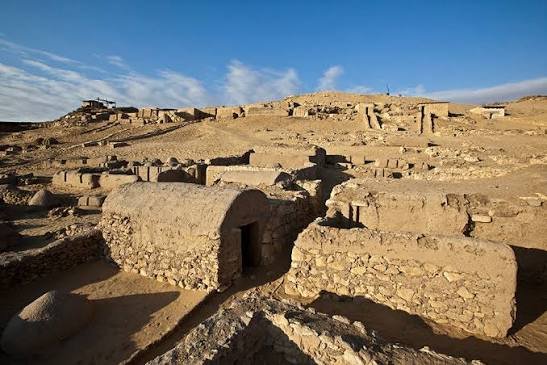
Workers' Cemetery
Workers' Cemetery is a deeply human and moving archaeological site on the Giza Plateau, believed to be the burial place of the skilled laborers who helped build the pyramids rather than slaves, as once commonly assumed. Unlike the royal tombs nearby, these simple graves tell a quieter story of ordinary lives—craftsmen, builders, and workers who formed the backbone of one of history’s greatest achievements. The site offers a rare and powerful perspective on ancient Egypt, reminding visitors that behind the grandeur of the pyramids stood generations of real people, dignity, and effort preserved in the desert sands.
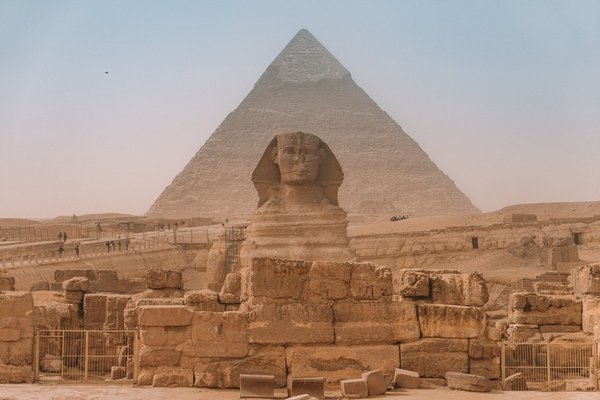
Pyramids of Giza
Located on Giza plateau are the three iconic pyramids of Egypt belonging to the kings of the fourth dynasty. The three pyramid complexes including those of Khufu, Khafra, and Menkawre. The pyramids are surrounded by groups of Mastaba tombs, in which members of the royal family and high officials were buried. Starting with the one and only standing monument among the seven wonders of the ancient world, The Great Pyramid of Khufu which was called Horizon of Khufu. While being one of the oldest structures on earth, many architects and engineers who studied the pyramid's structure assure that, with all our technological ability, we could not build a similar structure today. Its size along with the interior design and the so called "Grand Gallery" are the main reasons why the Great pyramid was selected to be the utmost man-made building all over the world. The second chief monument on the Giza plateau is The Pyramid of Kharfa. The top of the pyramid is still encased with white limestone that once decorated the whole body of the three pyramids. The so called valley temple and the Great Sphinx are considered parts of Khafra's well-preserved pyramid complex. The third and smallest building in the plateau is The Pyramid of Menkawra which served as the burial place of king Menkawra of the fourth dynasty.