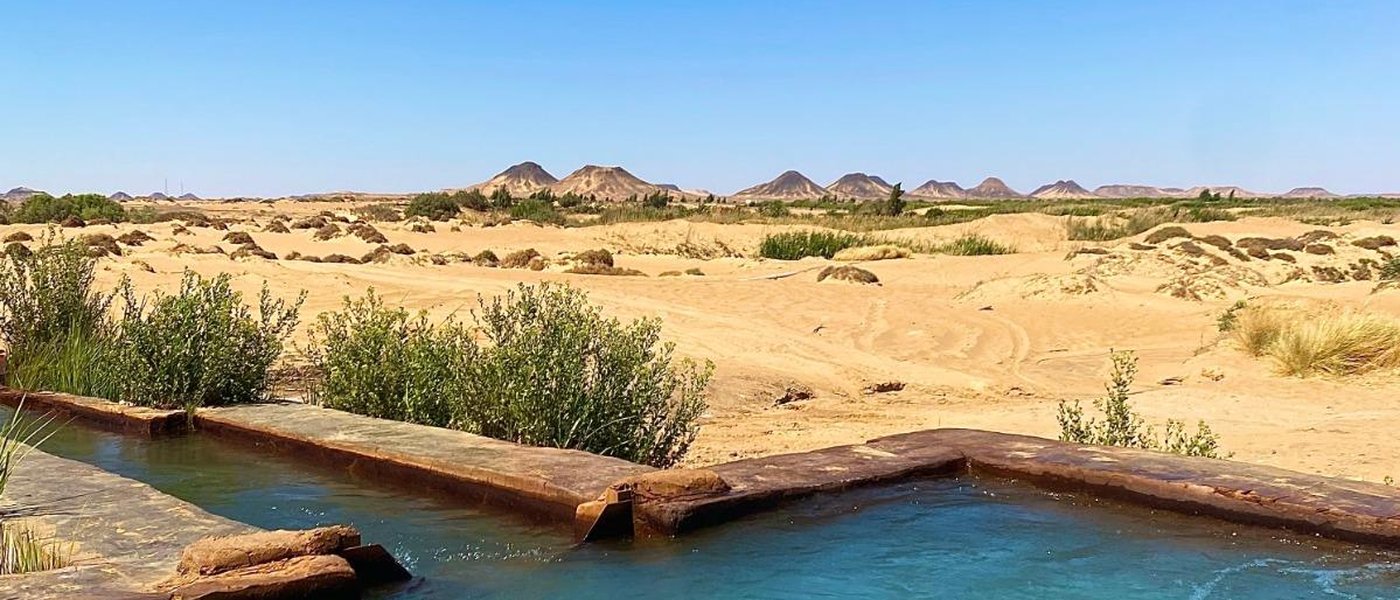
Kharga Oasis
Free Cancellation
Cancel anytime with no feesBest Time to Go
from October to AprilWhere Desert Horizons Meet Ancient Civilizations
Set amid the vast landscapes of Egypt’s Western Desert, Kharga Oasis offers a captivating blend of ancient heritage, dramatic desert scenery, and timeless oasis traditions. Once a vital crossroads along the ancient caravan routes, Kharga is home to remarkable sites such as the Temple of Hibis, the atmospheric necropolis of Al-Bagawat, and the Roman fortress of Qasr Al-Ghuweita.
For discerning travelers, Kharga provides a journey into a quieter and more authentic side of Egypt, where monumental history rises from golden desert horizons. From exploring centuries-old temples to experiencing the tranquil beauty of palm-filled landscapes, the oasis offers an evocative escape where culture, history, and solitude come together with understated elegance.
Kharga Oasis Attractions
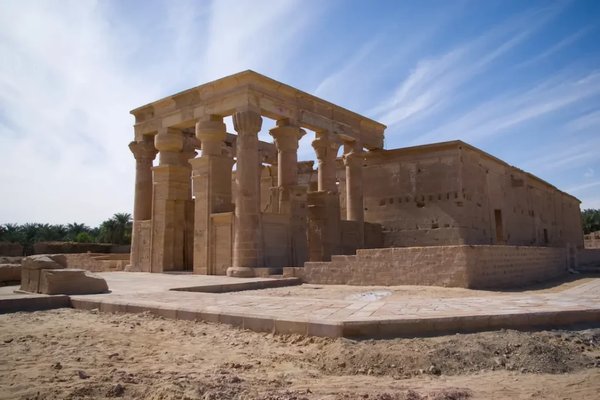
Temple of Hibis
Rising from the landscapes of Kharga Oasis, the Temple of Hibis is one of the Western Desert’s most remarkable ancient sanctuaries. Built primarily during the Persian period and later enriched by successive rulers, its imposing columns, carved reliefs, and richly decorated walls reflect a fascinating fusion of Egyptian religious tradition and the influences of foreign dynasties.
For discerning travelers, Hibis offers an extraordinary sense of discovery: an ancient temple standing in the quiet expanse of the desert, far from Egypt’s familiar tourist routes. Surrounded by palm groves and golden horizons, it provides a deeply atmospheric journey through Egypt’s layered history, where monumental artistry meets the profound stillness of the oasis.
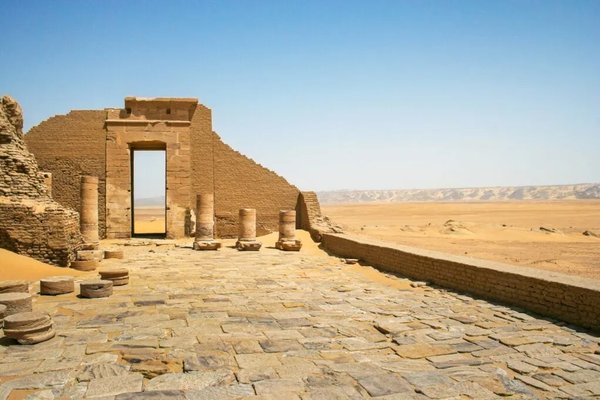
Temple of Dush (Douch)
Deep in the southern reaches of Kharga Oasis, the Temple of Dush stands amid an extraordinary landscape of golden desert and ancient caravan routes. Dating largely to the Roman period, the sanctuary was dedicated to Isis and Serapis, and formed part of a fortified settlement that once protected a vital passage through Egypt’s Western Desert. Its sandstone architecture and surviving inscriptions offer a fascinating glimpse into the meeting of Egyptian religious traditions and the Roman world.
For discerning travelers, Dush is an experience defined by both history and solitude. Far from the familiar tourist circuit, the temple emerges from the desert with a striking sense of remoteness, inviting visitors to explore a lesser-known chapter of Egypt’s past while taking in the vast, untouched beauty of the Western Desert.
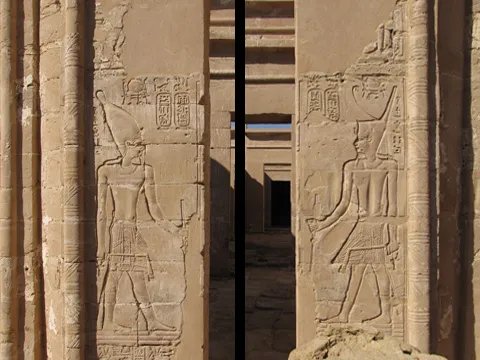
Temple of Qasr al-Ghuweita
Set amid the dramatic landscapes of Kharga Oasis, the Temple of Qasr al-Ghuweita rises above the desert like a secluded monument from another age. Built upon a natural hill and dedicated to the Theban triad of Amun, Mut, and Khonsu, the temple preserves layers of history that span the Persian and Ptolemaic periods, reflecting the enduring importance of the oasis along ancient desert routes.
For discerning travelers, Qasr al-Ghuweita offers a rare combination of archaeological depth and striking solitude. Its elevated position creates sweeping views across the surrounding desert, while its weathered stone walls and sacred spaces evoke the atmosphere of a forgotten frontier—an exceptional experience for those seeking Egypt beyond the conventional itinerary.
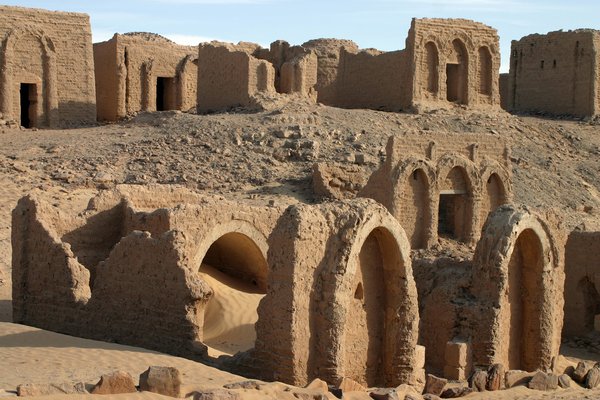
Al-Bagawat
Set against the golden landscapes of Kharga Oasis, Al-Bagawat is one of the world’s oldest and most distinctive Christian cemeteries. Its remarkable collection of mud-brick domed chapels, dating largely from the early Christian period, creates an extraordinary desert landscape where architecture, faith, and centuries of history converge.
For discerning travelers, Al-Bagawat offers a deeply atmospheric experience far removed from conventional sightseeing. Walking among its weathered domes and beautifully preserved painted chapels reveals a quieter chapter of Egypt’s heritage, while the surrounding desert lends the site an enduring sense of solitude and timelessness.
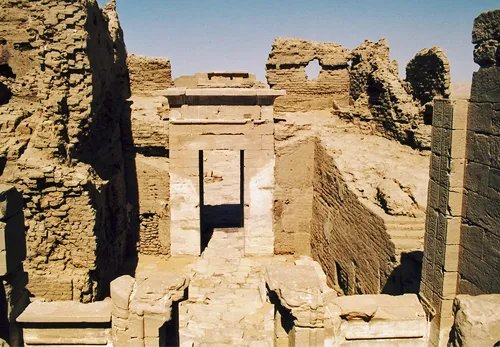
Kharga Roman Fortress
Rising from the vast landscapes of Kharga Oasis, the Kharga Roman Fortress reflects the strategic importance of the Western Desert during the Roman era. Built to safeguard vital caravan routes and protect settlements and travelers crossing this remote region, the fortress offers a striking glimpse into the military network that once connected Egypt with the wider desert world.
For discerning travelers, its weathered walls and commanding desert setting create an evocative sense of discovery. Far from the crowds of Egypt’s celebrated monuments, the fortress invites visitors to explore a lesser-known chapter of the country’s history, where ancient engineering, frontier life, and sweeping desert horizons come together.
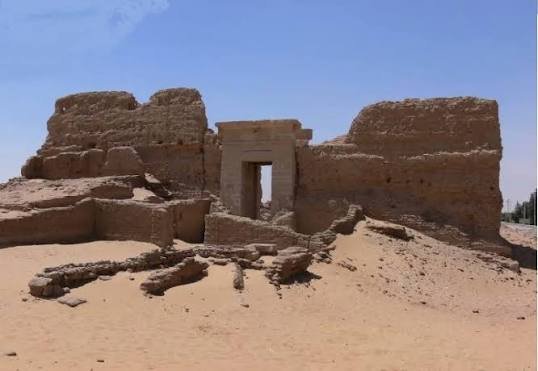
Temple of Qasr al-Zayyan
Set amid the tranquil desert landscapes of Kharga Oasis, the Temple of Qasr al-Zayyan offers a captivating glimpse into Egypt’s Greco-Roman heritage. Built during the Roman period and dedicated to Amun-Hibis, the sanctuary preserves an intimate atmosphere of ancient devotion, with its secluded setting and surviving architectural details revealing the enduring importance of sacred life along the oasis routes.
For discerning travelers, Qasr al-Zayyan offers a refined sense of discovery far from Egypt’s better-known monuments. Surrounded by expansive desert horizons, its quiet ruins create a memorable encounter with the layered history of the Western Desert—where ancient faith, remote landscapes, and the timeless character of the oasis converge.