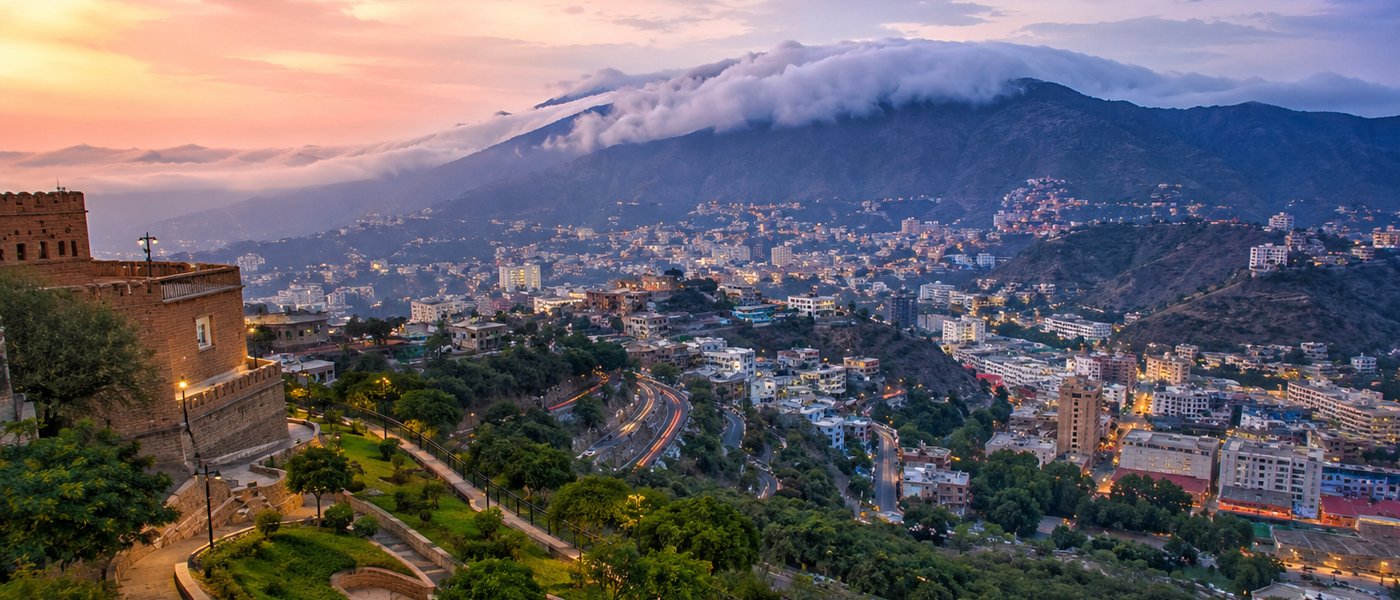
Abha
Free Cancellation
Cancel anytime with no feesBest Time to Go
September to FebruaryAbha was the capital city for the Prince of Asir Ibn Ayde under the authority of the Ottoman Empire until World War I In 1918, the Prince of Asir, Yahya bin Hasun Al Ayde, grandson of Ibn Ayed, returned to his family throne conquered in Abha with complete independence. In 1920, Asir was conquered by the Ikhwan tribesmen of Nejd loyal to Ibn Saud during the Unification of Saudi Arabia. Abha has many historic places such as forts and other locations, thanks to the region's cultural heritage. Bani Shehr, Bani Amr, Bal-Ahmar, Bal-Asmar, Bal-Qarn, Shumran and some others all belong to "Al-Azd" and some extended families Qahtan, Shahran which is belong to Hood. Azdi tribes had migrated after "Marib Dam" collapsed for the third time in the third century AD. Al-Namas, Billasmar Region, Hawra Billasmar Center, Khaled, Eyaa Valley, Athneen Billasmar (which is the capital), Subuh Billahmar, Al-Nimas, Tanomah, Al-Majaredah place, Bal-Qarn Center, and Sabt Alalyaa place (Bishah, Wadi Bin Hashbaal) and some other known places that belong to the Asir Region.
Abha Attractions
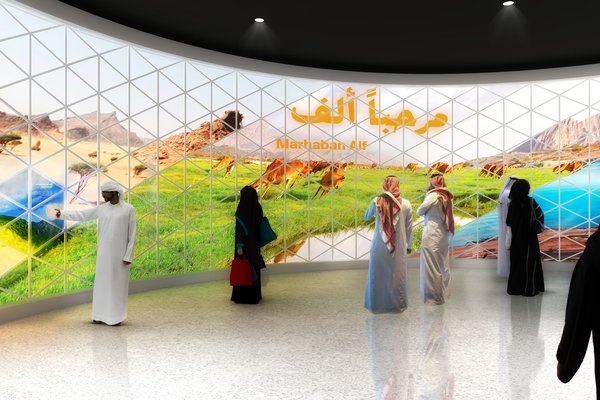
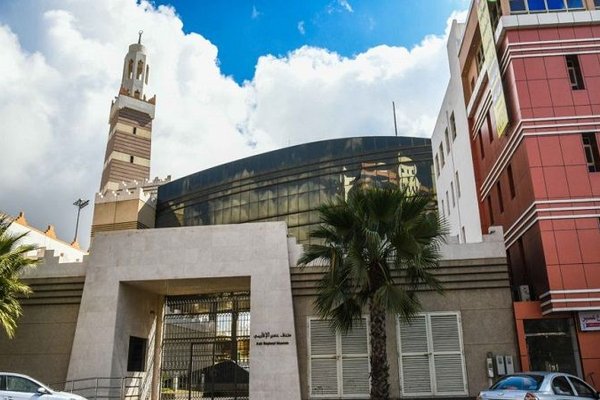
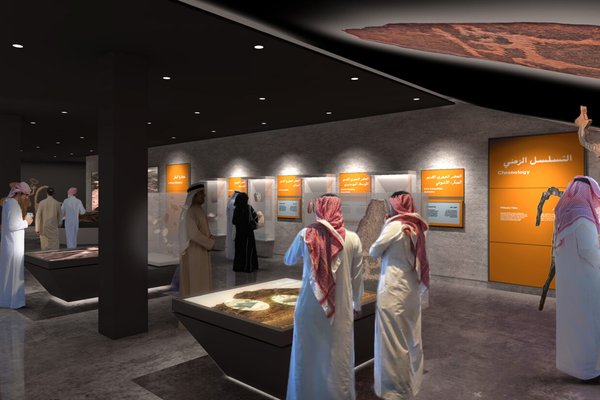
Aseer Regional Museum
One of the most insightful places to visit in Abha is the Aseer Regional Museum which gives you a comprehensive overview of the local heritage and culture. The museum covers 7 buildings that are identical, but each covers a different aspect of the history and culture of Saudi Arabia. It is considered one of the largest undertakings to preserve and promote Saudi heritage and culture and the importance of its preservation.
The museum holds several exhibitions and displays, and you can walk through galleries that display thousands of artefacts and images that uphold the colourful and interesting history of Saudi Arabia.
Asir National Park
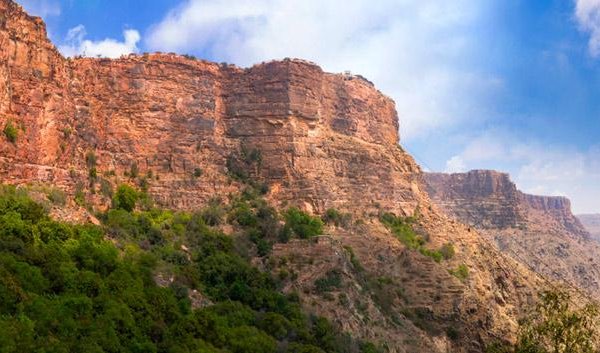
The Asir National Park is the first ever national park that was established in Saudi Arabia, which makes it one of the essential places to visit in Saudi Arabia. It is one of the best places from where you can get an insight into the local ecosystem, flora and fauna of the region. It covers an area of 1600 square miles and is home to over 300 species of colourful and exotic birds.
There are also several campsites and picnic spots where you can catch an incredible view of the landscape. The National Park is also a popular haunt for bird watchers since several migratory birds can be found here at specific times of the year. You can also sign up for a jeep safari that will help you explore all the interesting corners of the park.
Jebel Al Akhdar
This mostly limestone mountain is one of the highest points in Oman and eastern Arabia. Jebel Akhdar lies at the central section of Al Hajar range, located around 150 km (93 mi) from Muscat and accessible only by four-wheel drive.The range is mostly desert, but at higher altitudes receives around 300 mm (12 in) of precipitation annually — moist enough to allow the growth of shrubs and trees and support agriculture.It is this that gives the mountains their "green" name.
An old stronghold on the inland side of the mountain is Birkat al-Mawz, or Pool of the Plantains, with a layout similar to the nearby Jabrin palace
The area is about a 45-minute drive from Nizwa and is known for its traditional rose water extraction and agricultural products including pomegranates, walnuts, apricots, black grapes and peaches. It is also the site of honey bee breeding for much of Oman.Agricultural production is improved by the use of Falaj irrigation channels and their associated terraces system devised by the local farmers, who have lived on this mountain for hundreds of years. Al Sogara is a historic village carved into the mountainside.The Jebel is mostly inhabited by the ancient Arab tribe Bani Riyam (al Riyamy).Most descendants of the tribe are now in the four nearby villages, including Nizwa, Izki and Ibra.
Al Muftaha
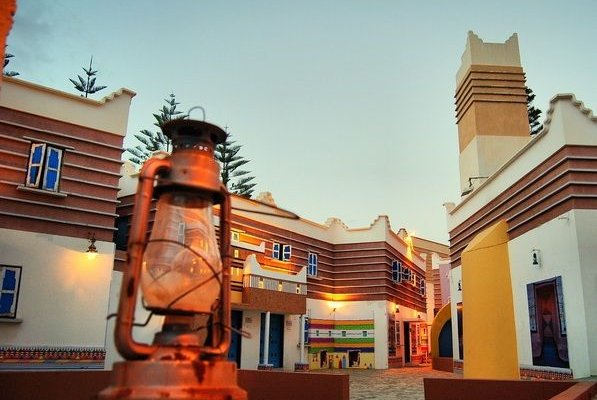
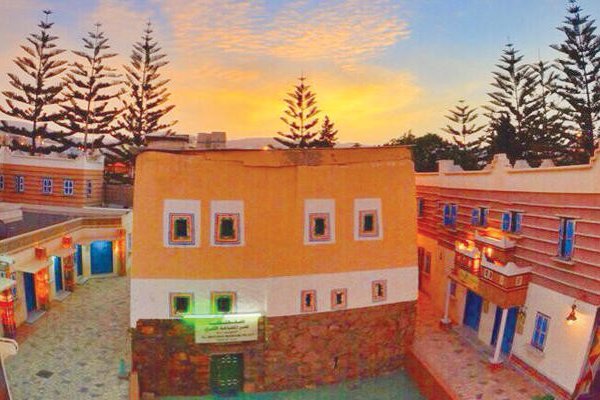
When in Abha, a visit to Al Muftaha village is a must. This government-funded village was founded in 1989 as an attempt to promote the arts in the Kingdom of Saudi Arabia. It has now become a popular attraction and is frequented by tourists and locals alike. This cultural center offers artists studio and exhibition space, and therefore the opportunity to present their unique work to the community. Al Muftaha village was inspired by Asir's heritage and culture and this can be seen in its fascinating architecture. The village or artists’ colony is also home to the King Fahd Cultural Center, Al Muftaha Theater, Archaeological Centre and Media Centre. This initiative was the first of its kind; with the Saudi Arabian government’s aim being to bring together individuals passionate about photography, traditional crafts, and fine arts and embrace them.
El Sahab Park
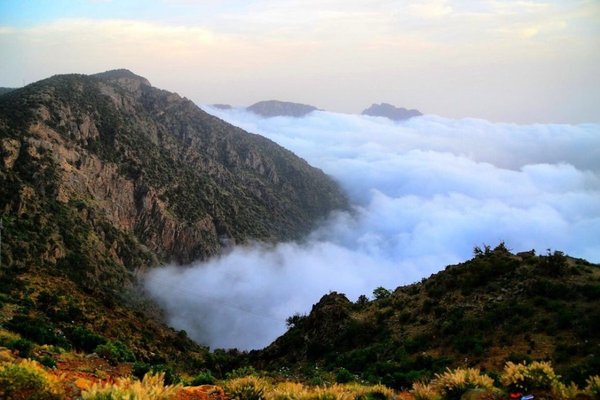
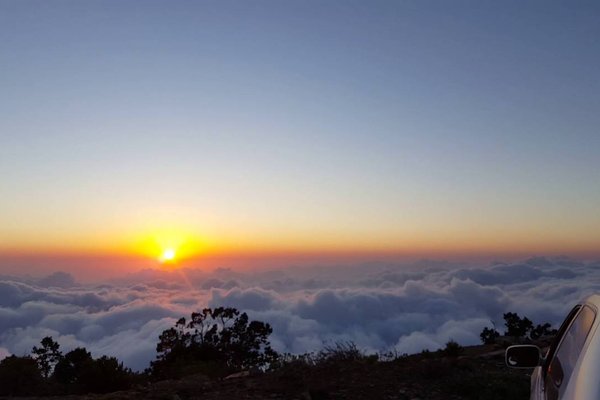
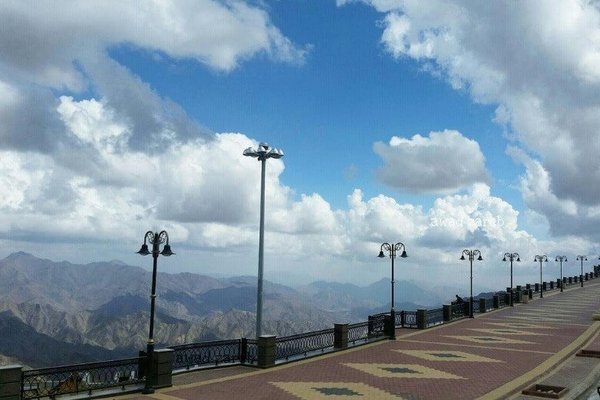
Al Sahab Park is one of the most beautiful tourist parks in the city of Abha for its wonderful place where it is located on a high mountain and with the clouds and fog on the city of Abha and rainfall on this mountain, the atmosphere is a magical atmosphere of great nature and relaxed and relaxing and self-assurance
Shada Castle
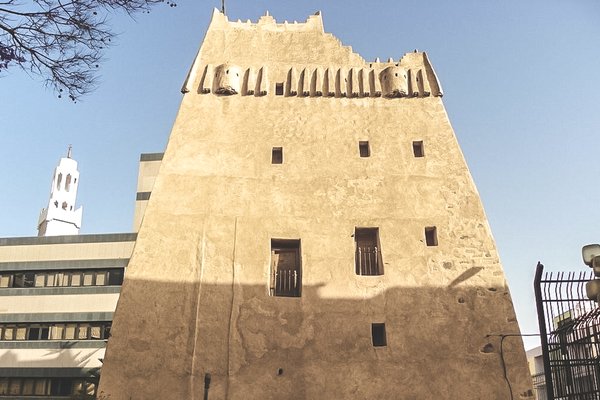
A visit to the historic Shada Palace in Abha is a fantastic way for visitors to discover the beautiful traditional architecture of the Asir region. This well-known palace was built for a local Saudi governor, and is said to date back to 1927AD. It now houses a variety of fascinating local handicrafts, household items and more. The Shada Palace is also one of the very few traditional buildings left in Abha, making it a must-visit when in the city. Surrounded by modern architecture, this mud-walled tower itself is a great insight into Saudi Arabia’s past. Tourists must make it a point to climb up onto the roof of the palace to see the high walls which in ancient times gave the women of the housel hold some privacy. While here, visitors will also notice that the palace was built without any windows; also to ensure privacy.
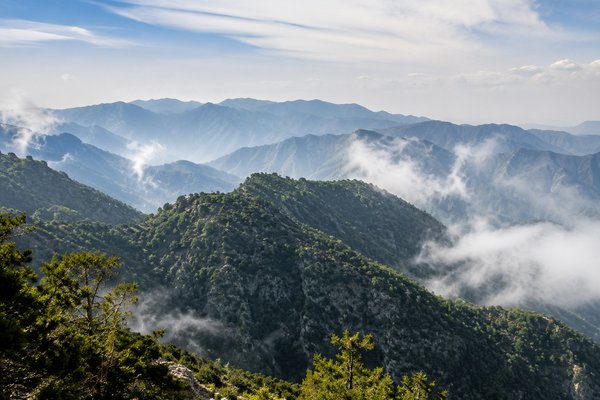
Jabal Sawda / Al Soudah
Jabal Sawda is one of the most famous mountain destinations in Saudi Arabia, offering cool temperatures, misty landscapes, forests, and spectacular viewpoints. The mountain scenery feels dramatically different from the desert environments associated with much of the Kingdom. It is particularly popular during the summer months.
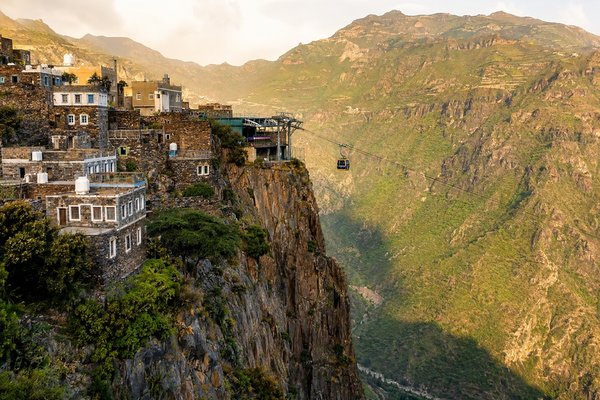
Habala
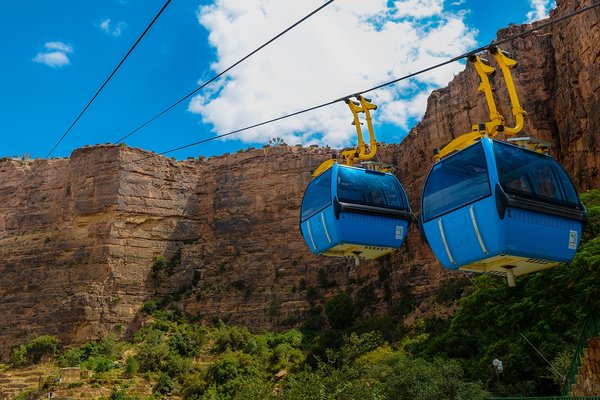
The dramatic village of Habala is located beneath towering mountain cliffs and was historically known for its isolated position. Traditionally, residents accessed the settlement using ropes, which gave the village its name and distinctive reputation. Today, visitors can admire the spectacular mountain scenery and discover the history of this remarkable community.
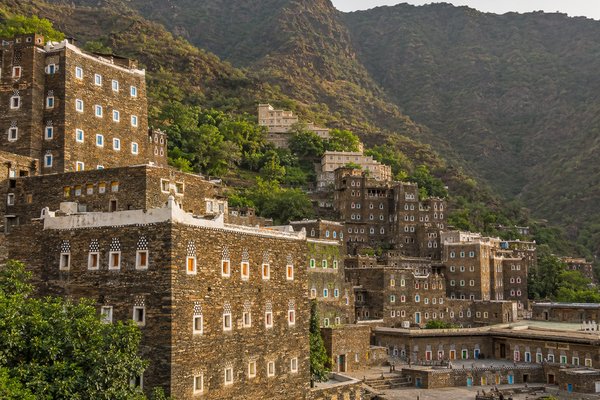
Rijal Almaa Heritage Village
Nestled among the mountains of Aseer, Rijal Almaa Heritage Village is famous for its tall stone buildings decorated with distinctive architectural details. Historically positioned along important trade routes, the village developed a rich cultural identity that is still visible today. Museums, traditional houses, artwork, and mountain scenery make it one of southern Saudi Arabia’s most rewarding heritage destinations.