Riyadh
Free Cancellation
Cancel anytime with no feesBest Time to Go
September to FebruaryName
Riyadh (Arabic: الرياض ar-Riyāḍ) is the capital and largest city of the kingdom of Saudi Arabia, located in Ar Riyad Province in the Najd region. It is situated in the centre of the Arabian peninsula on a large plateau and is home to over 4,260,000 people (around 20% of the nation's population).
The city lies in Saudi Arabia's 'central corridor' of development along with Buraydah and Al Kharj in the Ar Riyad administrative division. The other areas of concentrated population are two coastal areas - around Jiddah and Mecca on the Red Sea, and around Jubail and Dhahran on the Persian Gulf. Riyadh is located at 24°42'42" North, 46°43'27" East (24.711667, 46.724167).
The city is divided into 17 branch municipalities under the control of the Riyadh Municipality and the Riyadh Development Authority, chaired by Riyadh Province Governor Prince Salman Bin Abdul Aziz.
Although in a highly arid area the city does receive some rainfall. Five dams store the runoff. There are also 96 wells and 290 miles (467 km) of pipe bringing huge volumes of water from desalination plants on the Persian Gulf.
History
In pre-Islamic times, the settlement at the site was called Hajar. The site is at the confluence of several rivers (now wadis) and much underground water is accessible at the site. The settlement was historically famous for its dates and orchards. The modern name was first applied to only certain parts of the settlement where orchards predominated. Gradually the name was used for the entire settlement.
By the end of the 18th century, Riyadh was part of the First Saudi State, with the capital at Diriyah. After the destruction of Diriyah in 1818 by the Turks, the capital moved to Riyadh. Portions of Diriyah, a city made of mud bricks, still exist.
The city was seized in 1902 by Abdul Aziz bin Abdul Rahman Al Saud. He went on to establish the modern Kingdom of Saudi Arabia in 1932, with Riyadh the capital of the nation. The diplomatic capital remained in Jeddah until 1982. Recently the city has experienced very high rates of population growth, which is indicated by the poor quality of development since the 1970s. In the 1960s, its population was 50,000. According to most recent sources, today it is home to over 4.5 million inhabitants.
Riyadh Attractions
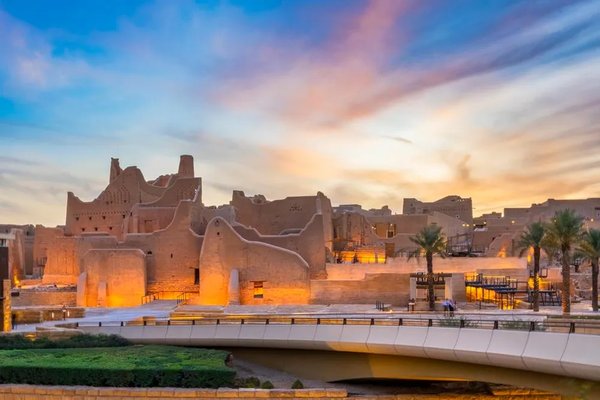
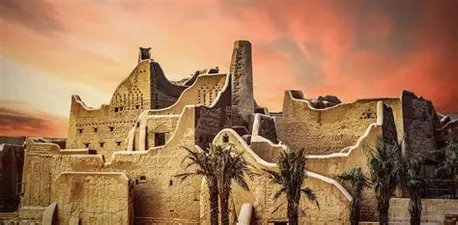
Ad-Diriyah
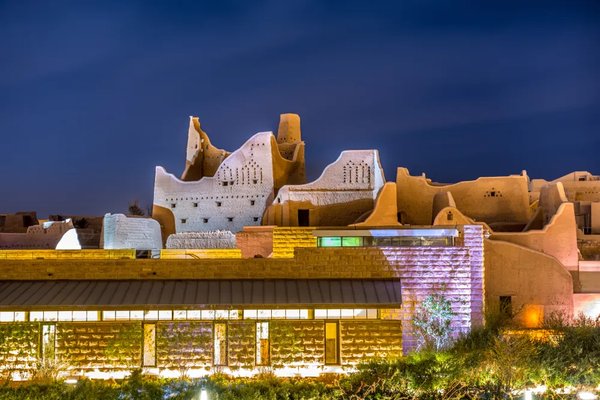
Diriyah (Arabic: الدرعية), formerly romanized as Dereyeh and Dariyya, is a town in Saudi Arabia located on the north-western outskirts of the Saudi capital, Riyadh. Diriyah was the original home of the Saudi royal family, and served as the capital of the Emirate of Diriyah under the first Saudi dynasty from 1744 to 1818. Today, the town is the seat of the Diriyah Governorate, which also includes the villages of Uyayna, Jubayla, and Al-Ammariyyah, among others, and is part of Ar Riyad Province.
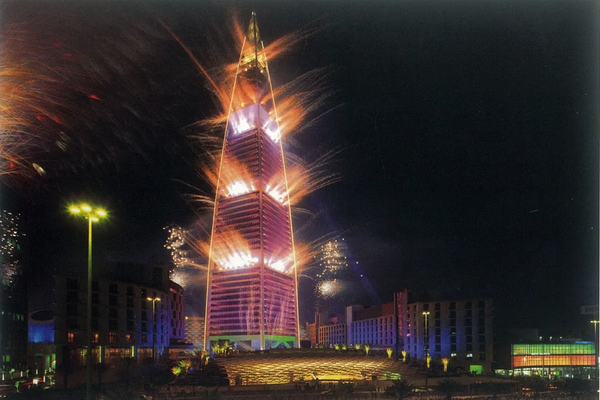
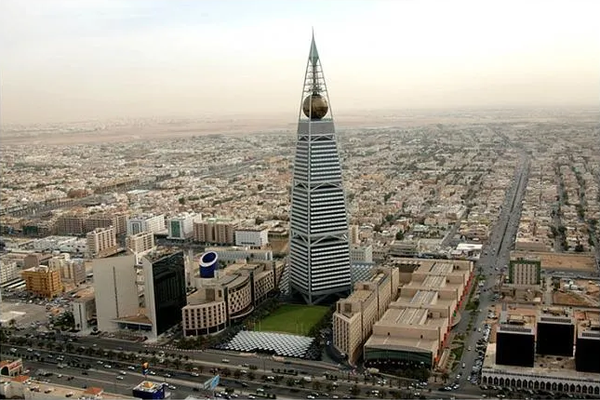
Al Faisaliyah center
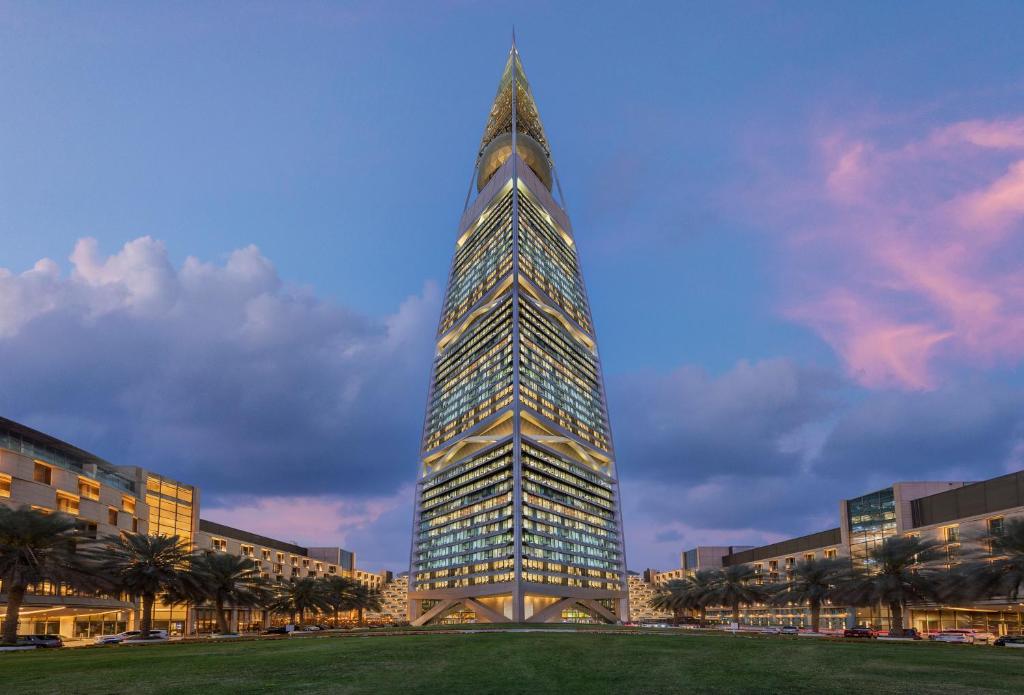
The Al Faisaliyah Centre (or Al Faisaliah Centre, Arabic: برج الفيصلية) is a commercial skyscraper and mixed-use complex located in the business district of Riyadh, Saudi Arabia. The 267-metre-high office tower, the centrepiece of the Foster + Partners development, it is notable for having been the first skyscraper built in Saudi Arabia, and for the monumental stained glass wall of its lobby, designed by architectural artist Brian Clarke in collaboration with Norman Foster. Presently the fourth tallest building in Saudi Arabia after the Kingdom Centre, Burj Rafal and Abraj Al Bait, the Center presently ranks as the 325th tallest building in the world.
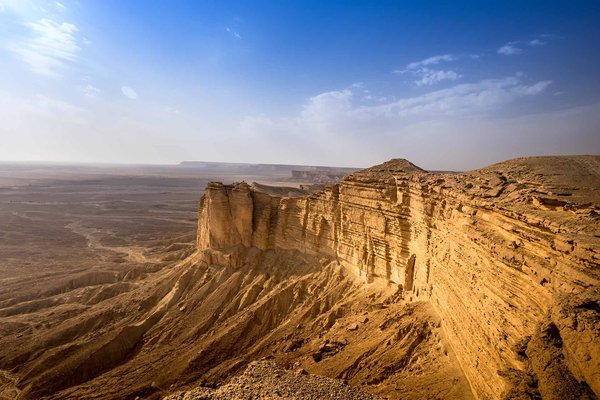
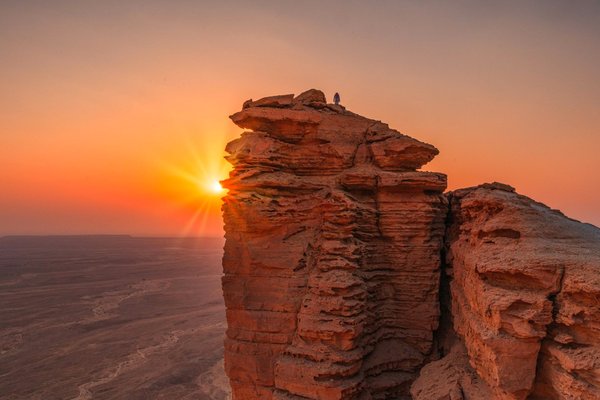
Jebel Fihrayn
Ever wondered what it must feel like to be at the edge of the world? Well, stand at the top of Jebel Fihrayn in Saudi Arabia and you might just see how that feels. Named “The Edge of the World” by many who visit it, Jebel Fihrayn is located over 90 kilometers northwest of the Saudi capital, Riyadh, and is one of the kingdom's most breathtaking natural wonders. Offering vistas of the vast desert landscape down below, standing on the top of Jebel Fihrayn gives you a complete, uninterrupted view of the world around you.
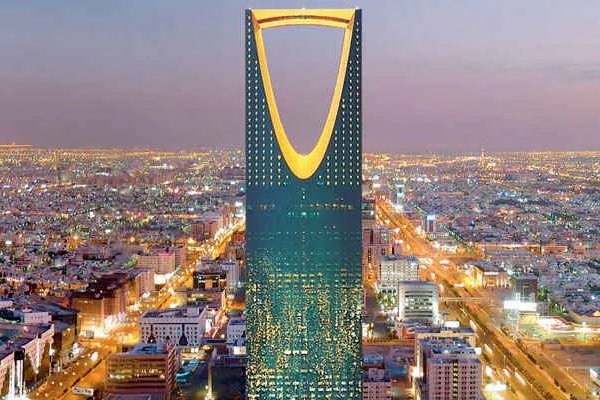
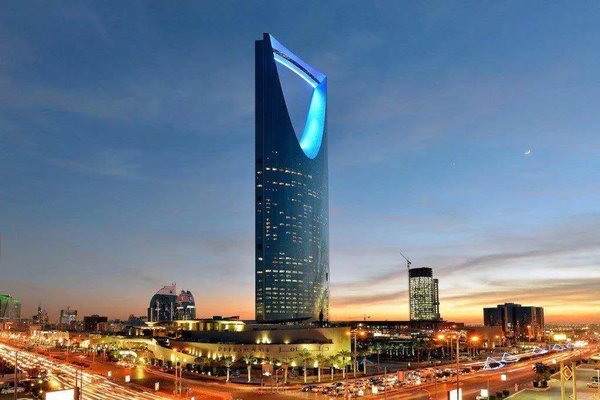
Kingdom Centre Tower
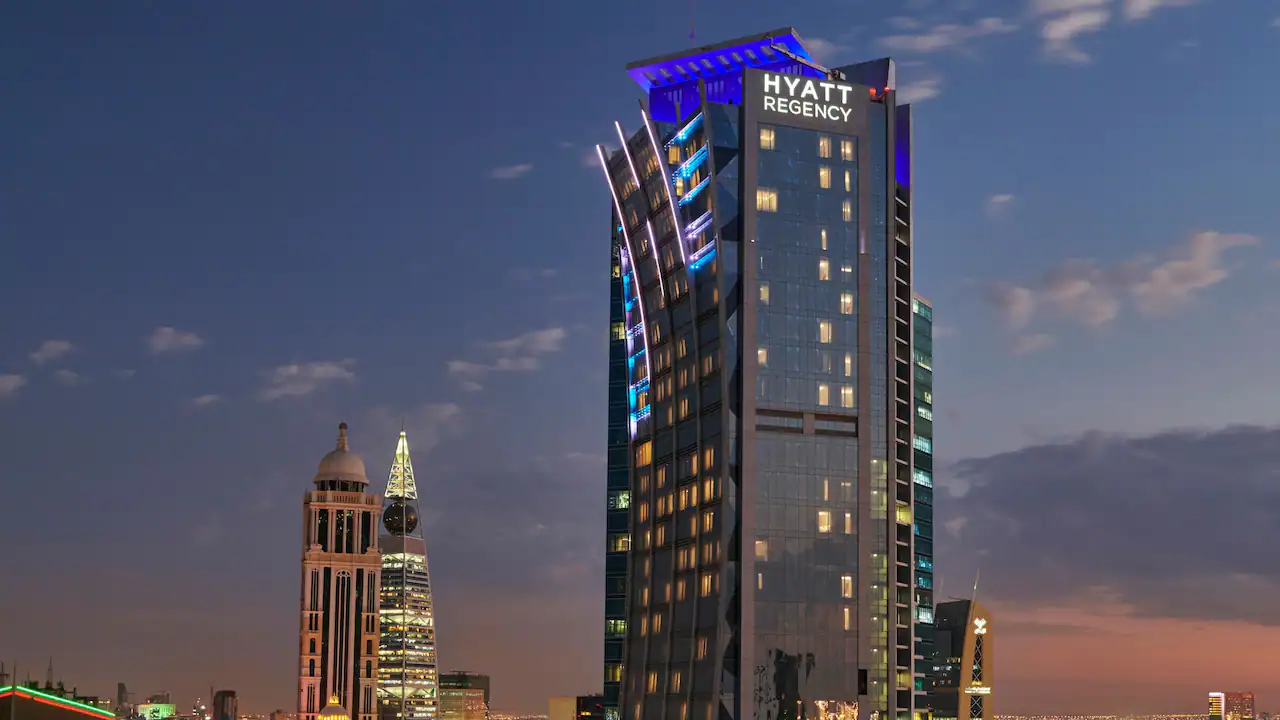
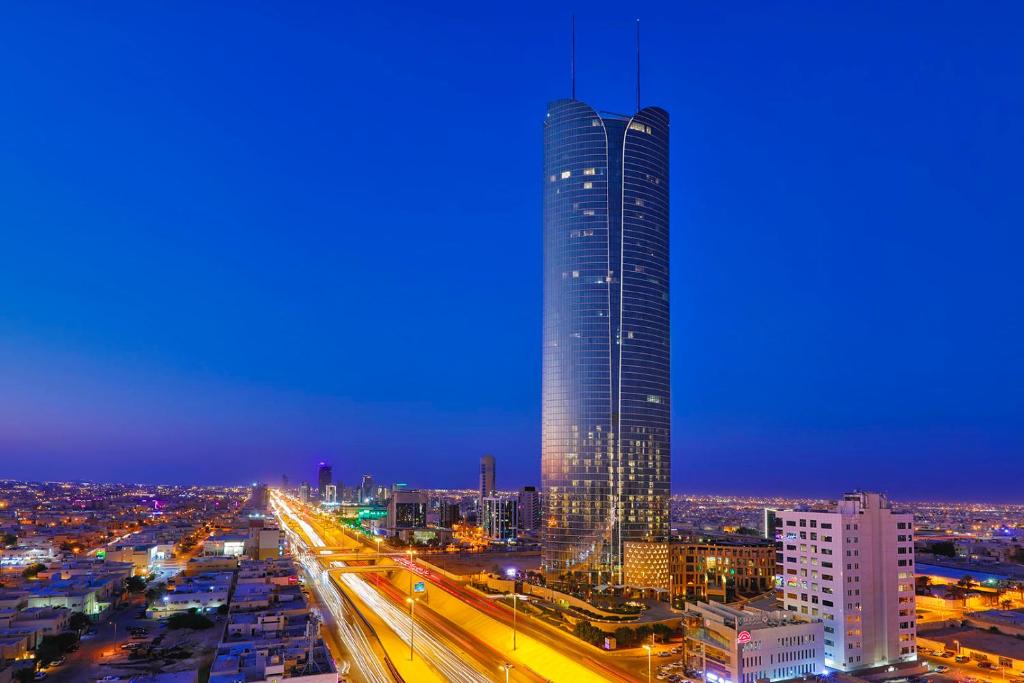
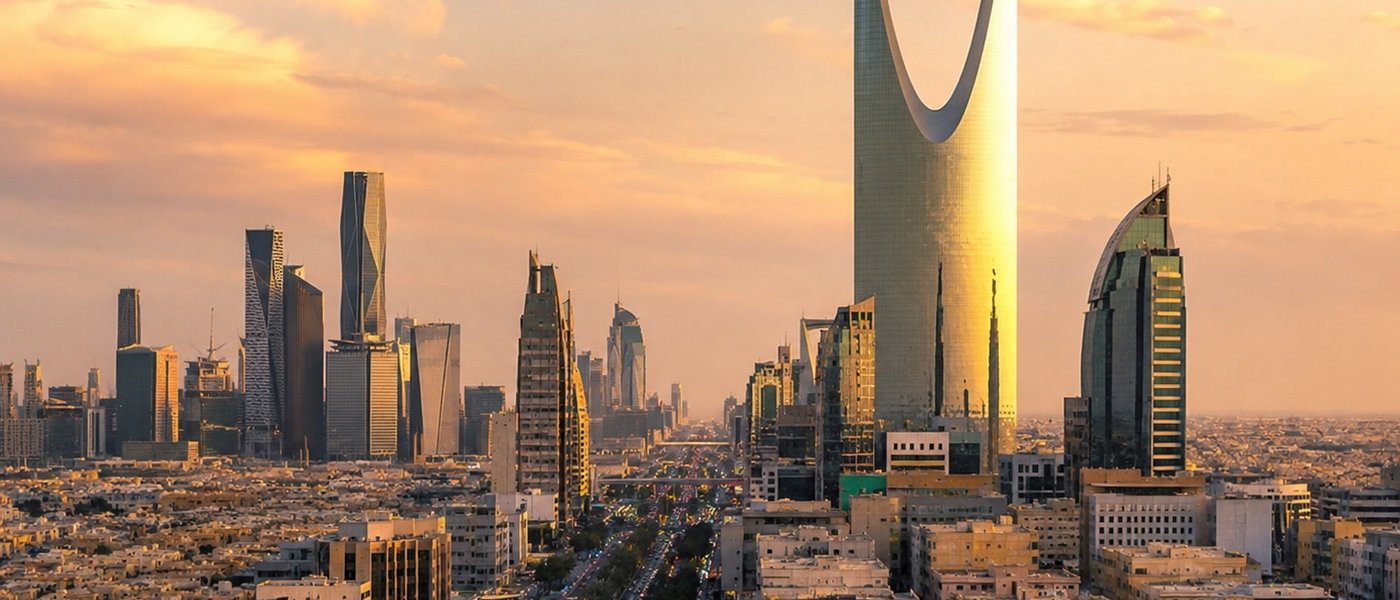
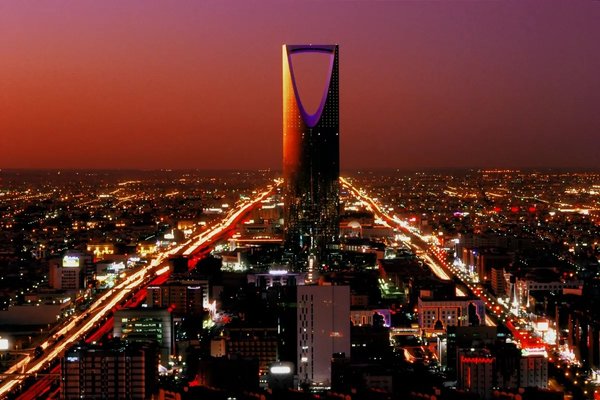
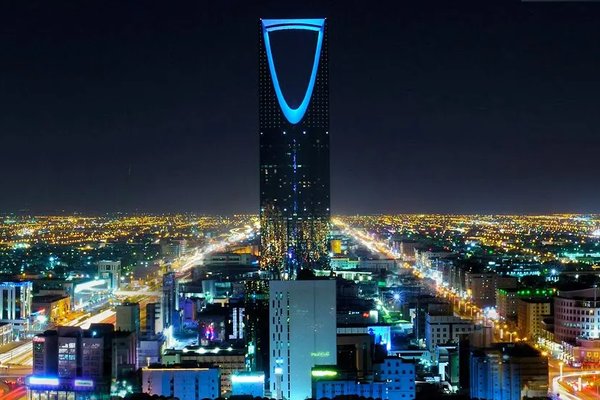
Kingdom Centre (Arabic: مركز المملكة) is a 41-story, 302.3 m (992 ft) skyscraper in Riyadh, Saudi Arabia. When completed in 2002, it overtook the 267-meter (876 ft) Faisaliyah Tower as the tallest tower in Saudi Arabia. It has since been surpassed and, as of 2021, is the fifth-tallest skyscraper in the country, whose tallest two buildings are the Abraj Al Bait Towers and the Capital Market Authority Tower. It is the world's third-tallest building with a hole after the Shanghai World Financial Center and the 85 Sky Tower in Taiwan.
The tower was developed by Prince Al-Waleed bin Tala and designed by the team of Ellerbe Becket and Omrania, who were selected through an international design competition. It is situated on a 100,000–square-metre site and houses the 57,000-square-meter Al-Mamlaka shopping mall, offices, the Four Seasons Hotel Riyadh, and luxury apartments. There is a 65m skybridge atop the skyscraper.
The upper third of the tower features an inverted parabolic arch topped by a public sky bridge. The sky bridge is a 300-ton steel structure, taking the form of an enclosed corridor with windows on both sides. After paying the admission fees, visitors take two elevators to reach that level.
Masmak Cetadel
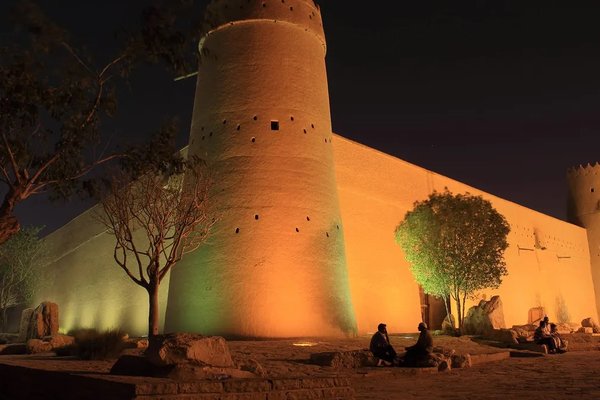
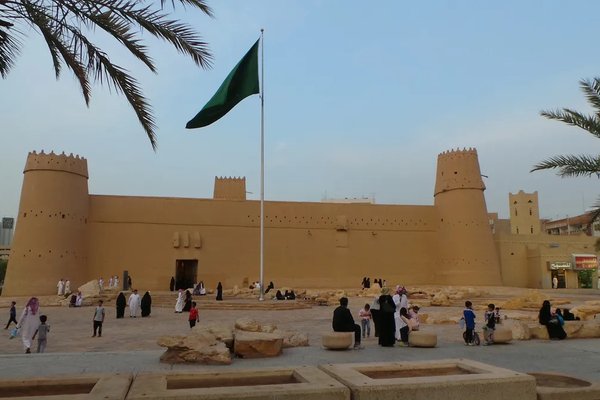
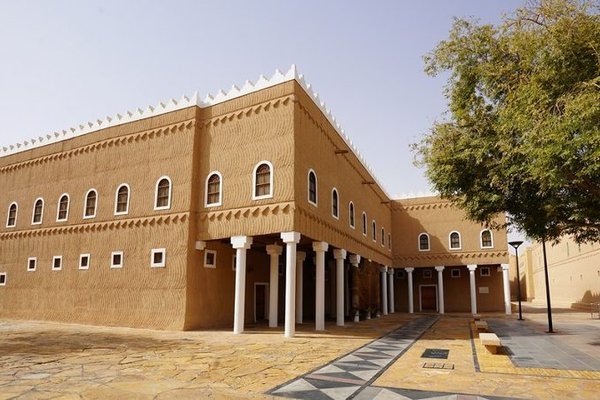
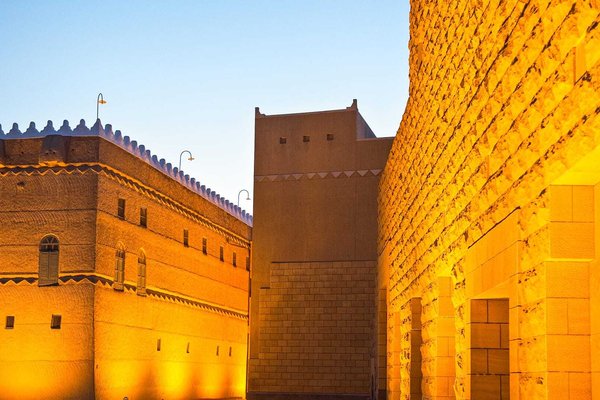
The Masmak Fort (Arabic: قصر المصمك, romanized: Qaṣr al-Maṣmak), also called the Masmak Fortress or Masmak Palace, is a clay and mudbrick fort in ad-Dirah, Riyadh, Saudi Arabia. Built in 1865 for prince 'Abdurrahman ibn Sulaiman AlDabaan under the Emirate of Jabal Shammar, The fortress played an integral role in the Unification of Saudi Arabia, with the Battle of Riyadh, one of the most important conflicts of the Saudi unification, taking place in the fort. Since 1995, the fortress has been converted into a museum showcasing one of the most important landmarks of Saudi heritage.
Murraba palace
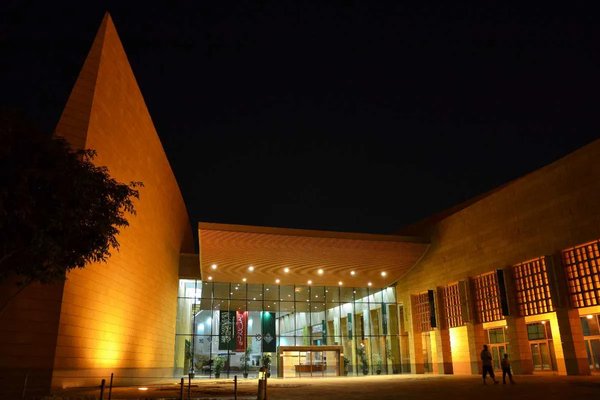
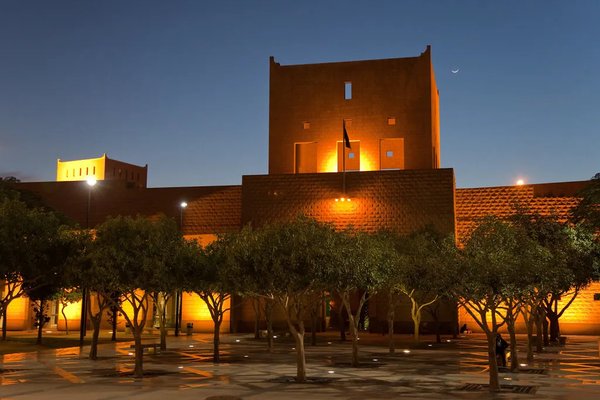
The Murabba Palace (Arabic: Qasr al Murabba; the Square Palace) is one of the historic buildings in Al Murabba, Riyadh, Saudi Arabia. The palace is the first building that was erected outside the walls of the old city. It was named after its square with the form of 400 by 400 metres (1,300 by 1,300 ft). It is one of the museums in the city.
Riyadh National Museum
The National Museum of Saudi Arabia
Set aside a day to explore centuries of Arabian prehistory, history, culture and art at the Kingdom’s biggest and most entertaining museum. Housed within striking modernist architecture and flower-wreathed gardens, the National Museum exhibits everything from Neolithic rock art, to replicas of the buildings of old Jeddah, as well as transporting visitors on a magically interactive tour of the ages.
Come on weekdays for a less crowded experience, and take your time exploring the museum’s eight halls. While a regular rotation of activities, guest exhibitions and programmes keeps the content fresh, here’s a sample of the permanent collections on offer to delve into.
Riyadh zoo
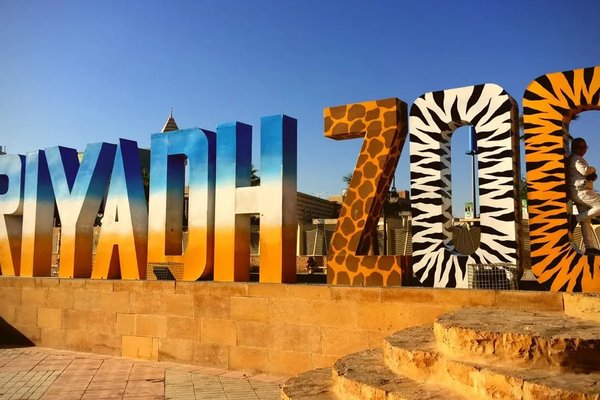
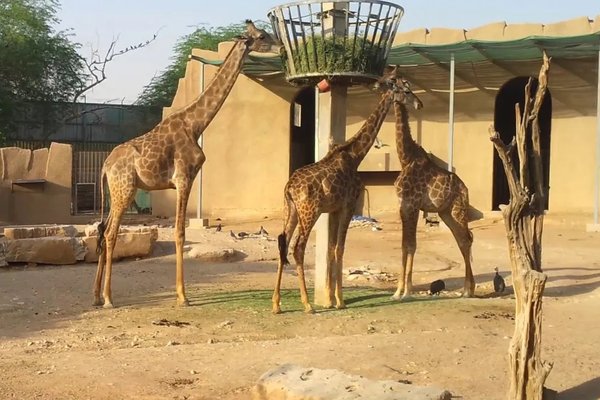
Riyadh Zoo (Arabic: حديقة الحيوانات بالرياض,'), formerly Riyadh Zoological Gardens and locally as Malaz Zoo, is a zoo in al-Malazz, Riyadh, Saudi Arabia. Founded in 1957 as private menagerie for King Saud and the Saudi royal family, the zoo was opened to the public in 1987 and it's today home to more than 1,500 animals of around 196 different species, including endangered ones. The zoo covers an area of 55 acres, making it the largest and one of the oldest zoos in the Kingdom.
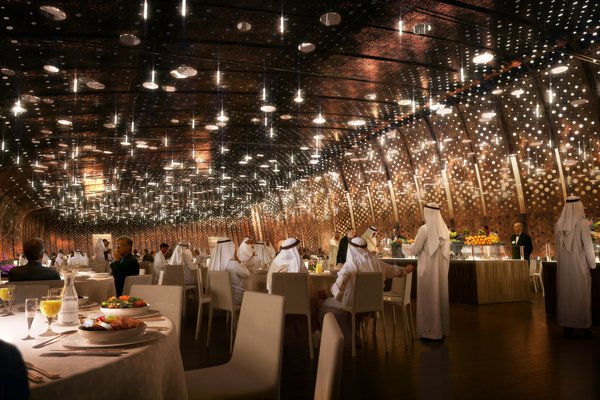
the Hall of King Abdulaziz
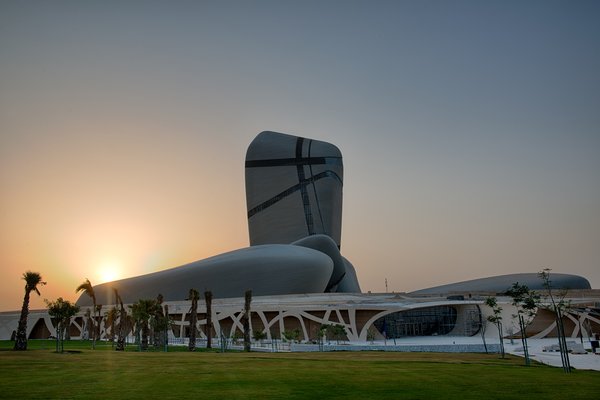
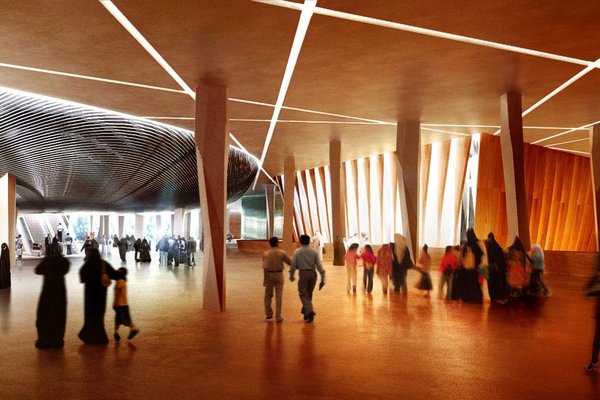
The King Abdul Aziz Historical Centre (Arabic: مركز الملك عبدالعزيز التاريخي) is a region in al-Murabba, Riyadh, Saudi Arabia. It is not the "historic centre" of the city as this lies to the south around Masmak fort and the main Friday Mosque in the Dira district. The origin of the King Abdul Aziz Historical Centre is the former compound of the Murabba' Palace, which was built in 1936/37 by King Abdul Aziz about 1.5 km to the north of the old city and well outside the then still existing city walls.
After 1953, the palace compound ceased to be used as the main royal residence and slowly fell into disuse. The "Murabba' Development Project" was later started to make use of the area for projects involved with the Centennial Celebrations in 1999. As such the area was chosen to be the site of several cultural institutions focusing on the national history in general and the history of the current Saudi State and its founder in detail. Consequently, what had remained of the old palace compound buildings was restored or remodelled on plans similar to the original buildings. The surrounding area was made into a landscape of parks and plazas and new buildings were built such as the National Museum of Saudi Arabia.
The units on the west side of the area are from south to north: A remodelled mosque, the old original Murabba' Palace with main Diwan renovated as a "living museum", the "Memorial Hall" on the outlines of an old courtyard house, a modern exhibition hall for the car collection, on the footprints of the old majlis and assembly hall the new Al-Dara main lobby and multipurpose hall, a documentation centre with a separated men's and women's library each, an art gallery and a large internal garden. On the east side the new National Museum of Saudi Arabia was built together with the King Abdul Aziz Foundation for Research and Archives. To the south, the area around the old water tower has been remodelled and now includes a small theme park. The whole project is said to have cost some 680 million Saudi riyals (about 181.33 million U.S. dollars at the time) and covers an area of some 360,000 square meters (3,000,000 sq ft).
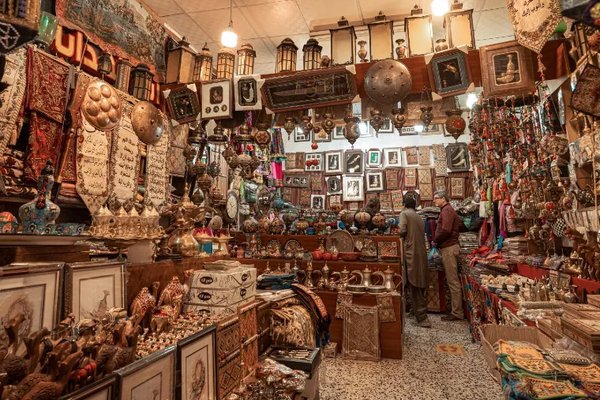
Souq Al Zal
Step into traditional Riyadh at Souq Al Zal, one of the capital’s oldest and most atmospheric markets. The narrow lanes are filled with shops selling traditional carpets, antiques, incense, perfumes, handicrafts, traditional clothing, and decorative objects. Visiting the souq offers a chance to experience local trading traditions and discover authentic souvenirs while enjoying the lively atmosphere of old Riyadh.