Al Ula
Free Cancellation
Cancel anytime with no feesBest Time to Go
September to FebruaryAl Ula (Arabic: ٱلْعُلَا al-ʿulā), is a city in the Medina Region in north-western Saudi Arabia. Historically located on the incense route, the city lies within the Governorate of 'Ula (Arabic: مُحَافَظَة ٱلْعُلَا, romanized: Muḥāfaẓat Al-ʿUlā), one of seven in the Medina Region, covering an area of 29,261 square kilometers (11,298 sq mi). The city is 110 km (68 mi) southwest of Tayma and 300 km (190 mi) north of Medina. The city (municipality) covers 2,391 square kilometers (923 sq mi). The population of the city is 5,426.
Al-'Ula was the capital of the ancient Lihyanites (Dedanites). The governorate contains the first UNESCO World Heritage Site in the Saudi Kingdom, called Hegra (also known as Al-Hijr, or Mada'in Saleh / Mada'in Salih), 22 km (14 mi) north of the city. Hegra (Mada'in Salih) was built more than 2,000 years ago by the Nabataeans. Al-'Ula, the ancient walled city, is packed with mud-brick and stone houses.
Al Ula Attractions

Al-Hajr
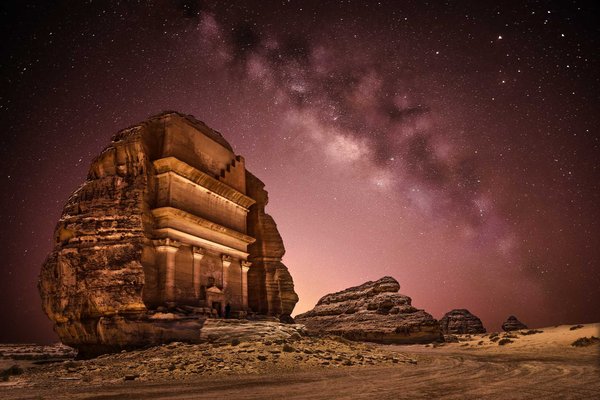
Hegra (Ancient Greek: Ἕγρα), known to Muslims as Al-Hijr (Arabic: ٱلْحِجْر), also known as Mada’in Salih (Arabic: مَدَائِن صَالِح, romanized: madāʼin Ṣāliḥ, lit. 'Cities of Salih'), is an archaeological site located in the area of Al-'Ula within Medina Province in the Hejaz, Saudi Arabia. A majority of the remains date from the Nabataean Kingdom (1st century AD). The site constitutes the kingdom's southernmost settlement and its second largest city after Petra (now in Jordan), its capital city. Traces of Lihyanite and Roman occupation before and after the Nabatean rule, respectively, can also be found.
The Quran places the settlement of the area by the Thamudi people during the days of Salih, between those of Nuh (Noah) and Hud on one hand, and those of Ibrahim (Abraham) and Musa (Moses) on the other. However, a definitive historical chronology can not be obtained through the order of verses due to the fact that the Quranic chapters (see surah) deal with different subjects in non-chronologic order. According to the Islamic text, the Thamudis were punished by God for their idolatry, struck by an earthquake and lightning blasts. Thus, the site has earned a reputation as a cursed place—an image that the national government is attempting to overcome as it seeks to develop Mada'in Salih for its potential for tourism.
In 2008, UNESCO proclaimed Mada'in Salih as a site of patrimony, becoming Saudi Arabia's first World Heritage Site. It was chosen for its well-preserved remains from late antiquity, especially the 131 monumental rock-cut tombs, with their elaborately ornamented façades, of the Nabataean Kingdom.
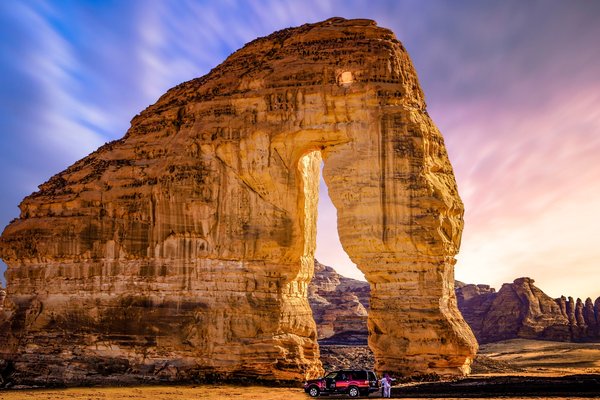
Elephant Rock
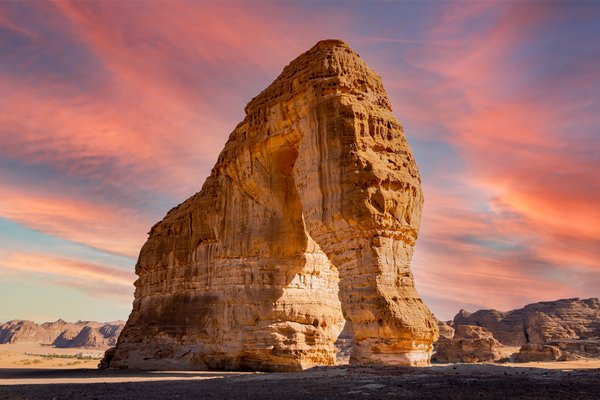
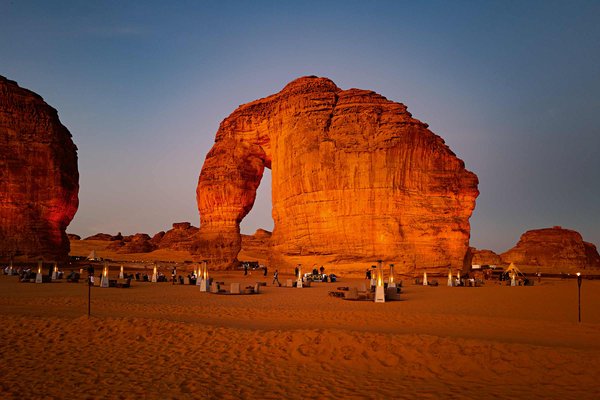
The Elephant Mountain is located in the heart of the picturesque golden sands of the AlUla desert, climbing three floors in the Saudi Arabian sky, and is considered one of the many geological wonders of the Kingdom. Sculpted by natural forces and millions of years of wind and water erosion, this extraordinary structure's beauty is enhanced by its surroundings of a fine sandy sea studded with rocky outcrops, many of which are equally impressive in size and intriguing shapes.
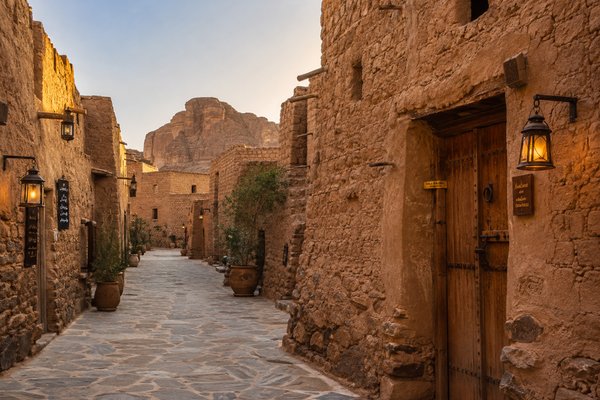
AlUla Old Town
Explore the atmospheric lanes of AlUla Old Town, where hundreds of traditional mud-brick buildings create a fascinating glimpse into the region’s past. For centuries, the settlement was an important stop for travelers and pilgrims moving along ancient routes through Arabia. Today, restored streets, traditional shops, cafés, and heritage buildings create a charming setting for walking and discovering local culture.
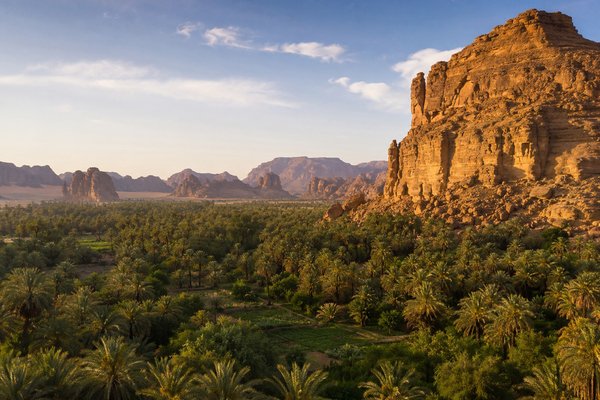
AlUla Oasis
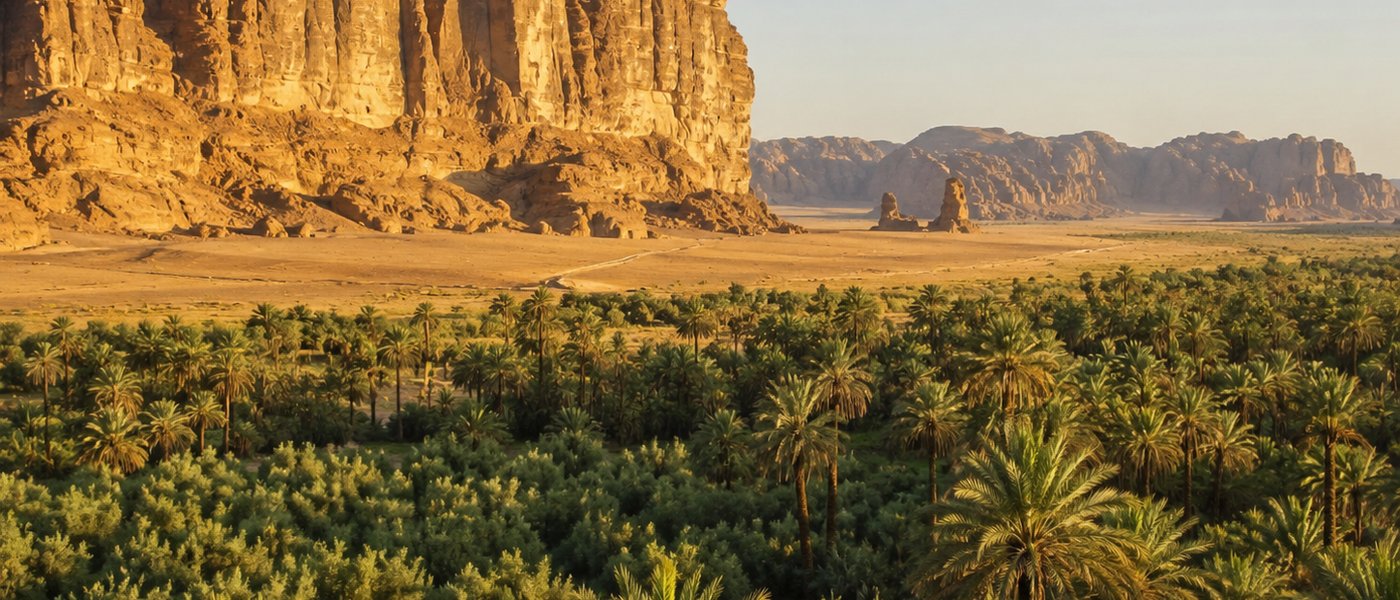
The beautiful AlUla Oasis creates a striking contrast against the surrounding desert and sandstone mountains. Thousands of palm trees, citrus groves, farms, and traditional pathways form a lush green corridor through the valley. Walking through the oasis allows visitors to experience the agricultural traditions that supported communities in AlUla for generations.
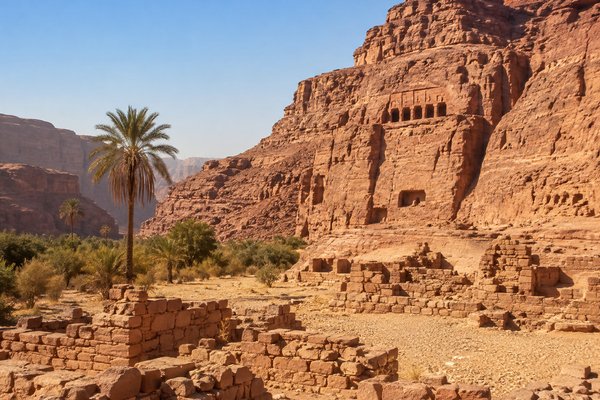
Dadan
The ancient city of Dadan was once the capital of the powerful Dadanite and Lihyanite kingdoms that controlled important trade routes across northwestern Arabia. Archaeological remains reveal temples, settlements, inscriptions, and remarkable tombs carved high into the surrounding cliffs. Exploring Dadan provides a deeper understanding of the civilizations that existed in AlUla long before the Nabataeans.
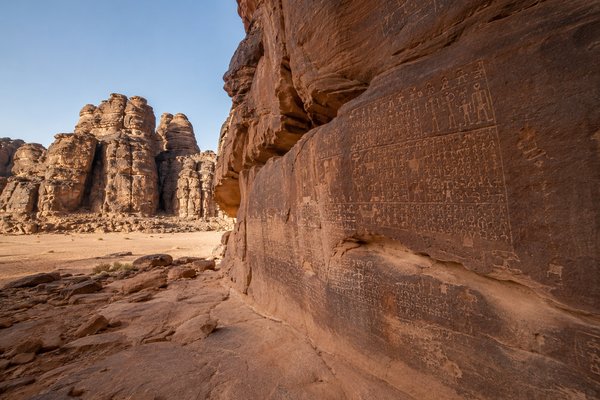
Jabal Ikmah
Hidden within a dramatic desert canyon, Jabal Ikmah is often described as an open-air library because of the extraordinary number of inscriptions carved into its rocks. These writings, created by travelers and residents thousands of years ago, preserve ancient languages, names, religious references, and records of daily life. The site provides a rare and intimate connection with the people who once passed through AlUla.