Jeddah
Free Cancellation
Cancel anytime with no feesBest Time to Go
September to FebruaryJeddah is one of Saudi Arabia's primary resort cities and was named a Beta world city by the Globalization and World Cities Study Group and Network (GaWC). Given the city's close proximity to the Red Sea, fishing and seafood dominate the food culture unlike other parts of the country. In Arabic, the city's motto is "Jeddah Ghair", which translates to "Jeddah is different". The motto has been widely used among both locals as well as foreign visitors. The city is widely perceived as the most liberal city in Saudi Arabia and is a popular tourist destination in the region.
Jeddah Attractions
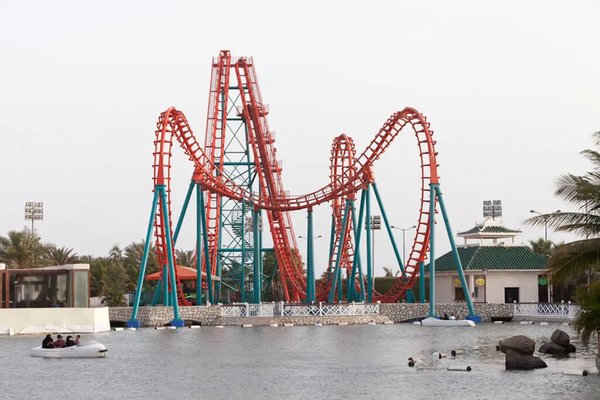
Al Shallal Theme Park
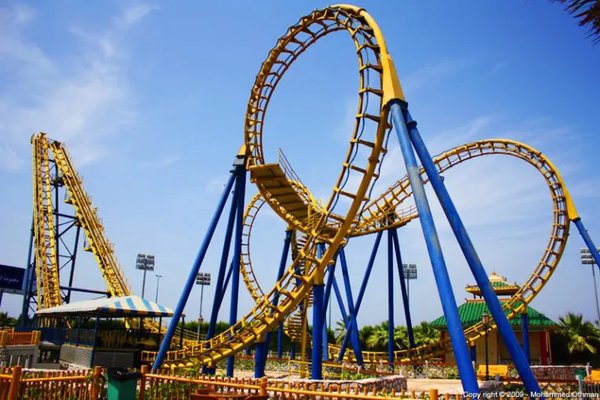
AlShallal Theme Park is spread over an area of 60,000 square meters, in an ideal location on Jeddah Cornish. Per year they have around 1Million visitors. They went into a major transformation over the past few years, with the aim to becoming “The best Amusement Park in KSA. ”
AlShallal, is an ideal location for the family to enjoy themselves, be it on the thrill rides of the new Sling Shot or the Roller Coaster, or having a fun skate on the ice rink, or taking a boat ride around the lake. They can also enjoy a dinner in our themed Chinese and Lebanese restaurants.
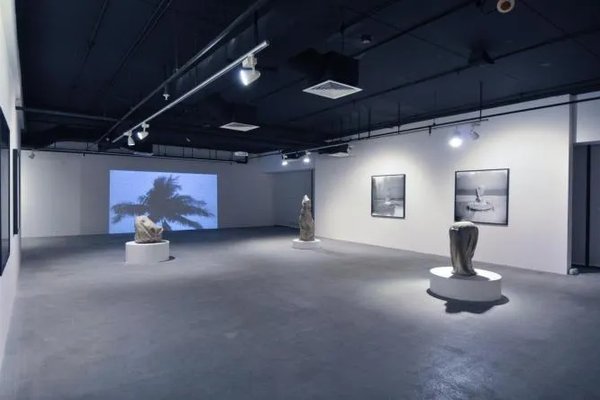
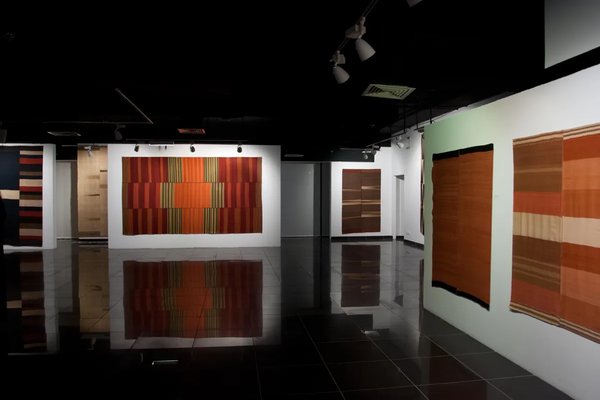
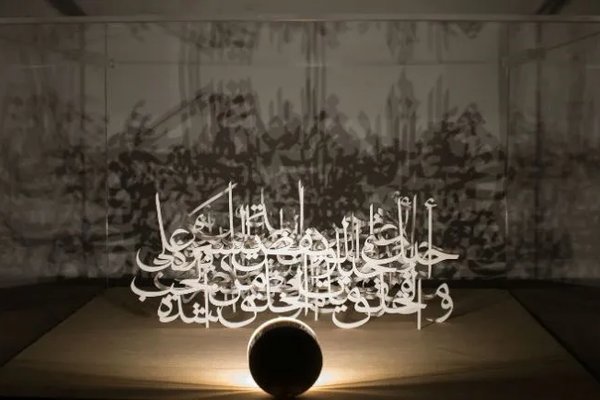
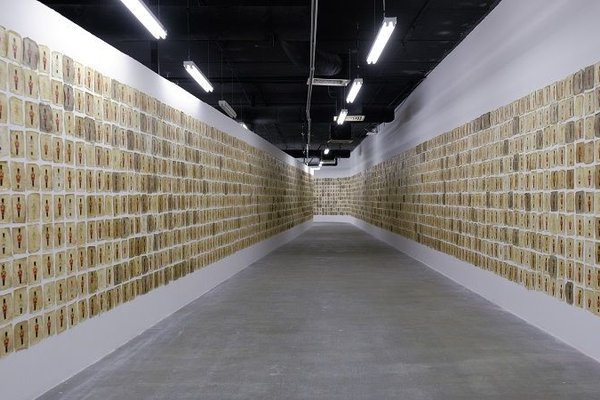
Jeddah Athr Gallery
Since its inception in Jeddah in 2009, Athr Gallery has played a pivotal role in building the Contemporary art scene in Saudi; valuing experimentation and the exploration of new ideas, disseminating the artists’ role in the creative process and the impact they can have on societies.
As a relentless supporter of young as well as established artists from Saudi Arabia and the Arab region, Athr has been providing a number of opportunities for furthering knowledge and experience within its multidisciplinary space in Jeddah and beyond, such as international residencies, special commissions, international group exhibitions, symposia, funding and more.
Founded by Hamza Serafi and Mohammed Hafiz, whose passion and network allow Athr to have a deeply engaged discourse in the local art scene, they have taken on the initiative of filling the absence of public art institutions, museums and art schools to establish a sustainable art scene open to the world all while having an international presence.
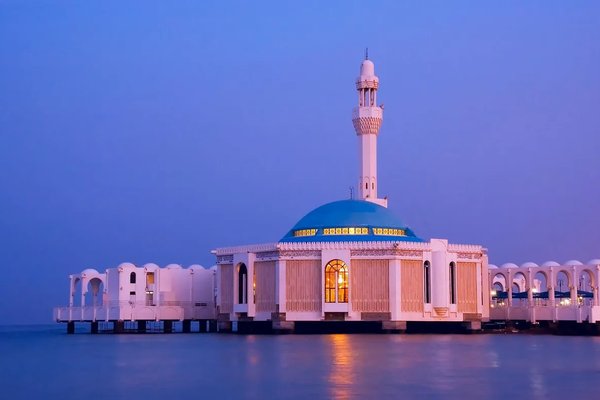
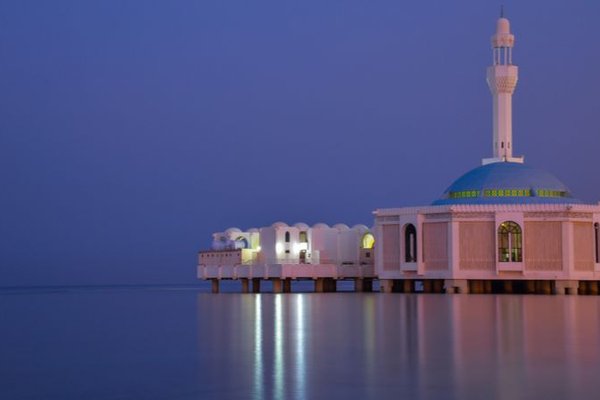
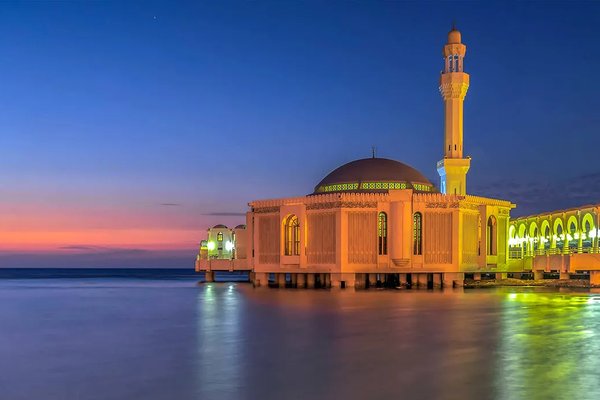
Jeddah Floating Mosque
Don’t miss this must-visit Mosque
Learn about this glamorous construction, one of the most distinctive symbols of Jeddah. The Floating Mosque was built in 1985 on a water surface, with bases planted under the surface of the sea. It is also called "Al-Rahmah mosque."
It is marked by its bright white color and its turquoise dome which paints a wonderful scene especially when the sun shines on it to reflect the beauty of architecture joined with Islamic and traditional constructive art. The beauty of the mosque is not limited to its construction, it is also equipped with advanced sound and lighting technologies, to complement the elements that distinguish it from others with serenity and extreme beauty.
Al Shafi Mosque
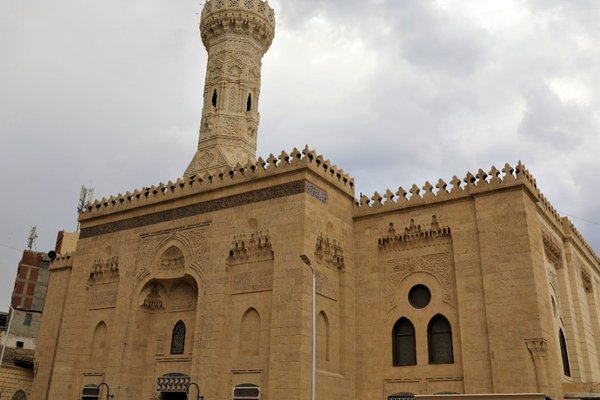
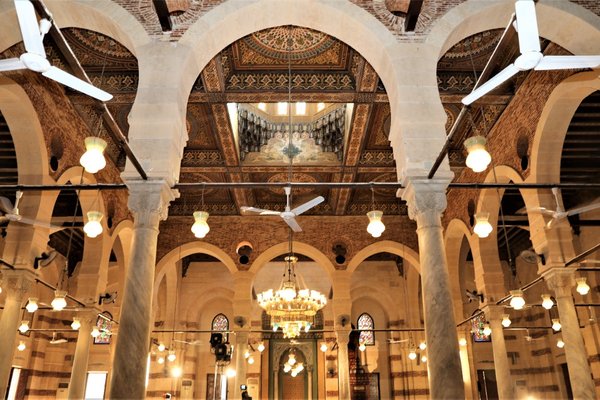
The Mausoleum of Imam al-Shafi’i (Arabic: قبة الإمام الشافعي ) is a mausoleum dedicated to Imam Al-Shafi’i, one of the four Sunni Imams who founded the Shafi’i Sunni Islamic school of jurisprudence. Located at the Imam Shafi’i Street in the City of the Dead, Cairo, the mausoleum is a hallmark of Ayyubid style architecture and historical significance.
Imam al-Shafi'i travelled to Cairo in 813 where he taught at the Mosque of Amr ibn al-As, before his death in 819. He was buried by his child Ibn Abdulhakim in the place of turbah in the City of the Dead. Later, the Ayyubid sultan Salah ad-Din built a turbah and madrasa for Shafi'i in 1176, marking the first establishment on his grave. In 1178, a wooden coffin was created with decorations of Islamic geometric patterns and inscriptions of the Qur'anic verses and the life of Shafi'i in Kufic and Ayyub scripts. The decorations were created by Abid al-Najar.
In 1211, after the death of mother of the Ayyub Sultan Al-Kamil, the sultan built a mausoleum for her near the site, and simultaneously built a dome and a building which covers the entire area as well as the grave of al-Shafi'i. This had become the current structure, consisted of wooden dome, and later added muqarnas and marble decorations furnished by the Mamluk Sultan Qaitbay in 1480. The building was restored during the era of the Mamluk Sultan al-Ghuri and the Ottoman wali Ali Bey al-Kabir in 1772 who added colored decorations for the inner wall, muqarnas and dome.
Al Tayebat International City Museum
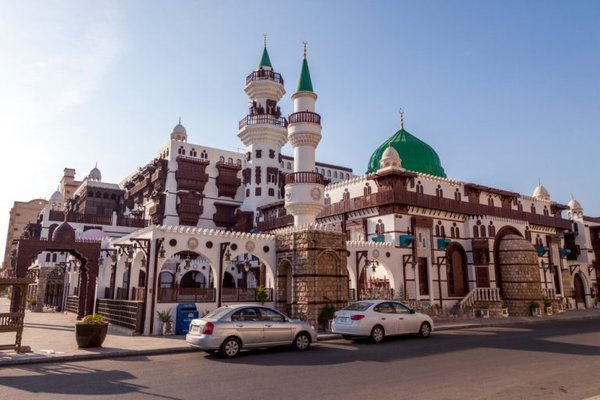
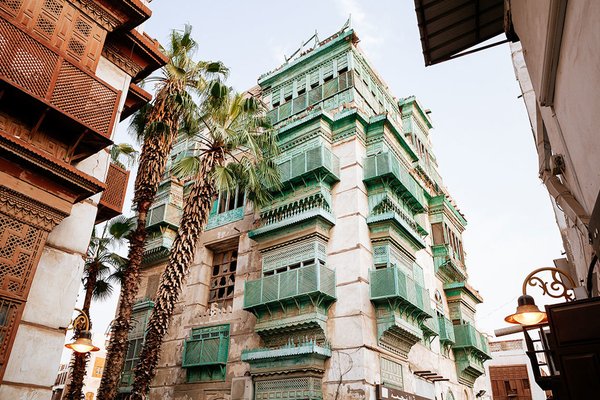
The Tayebat City Museum is a part of the International Tayebat City of Science and Knowledge and is a must-visit museum when in Jeddah. The museum is truly a city in itself, as it is spread across an area of 10000 square meters, with 300 rooms in 12 buildings. Built in the architectural style of old Jeddah, in the traditional Hijazi style, the beautiful building on its own is worth a visit. Inside the numerous buildings, visitors will find an extraordinary collection of exhibits ranging from Islamic manuscripts, tribal costumes and old coins to furniture, ancient pottery and much more. With 18 wings housing over 60000 items of historical significance from various Middle Eastern countries, visitors will find it difficult to see the entire museum in a day. Since most visitors may not have that much time to spare, it is wise to visit the museum with a guide who is sure to know the best parts of the museum.
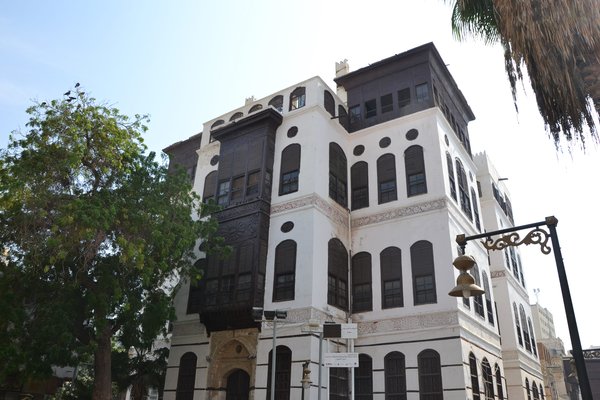
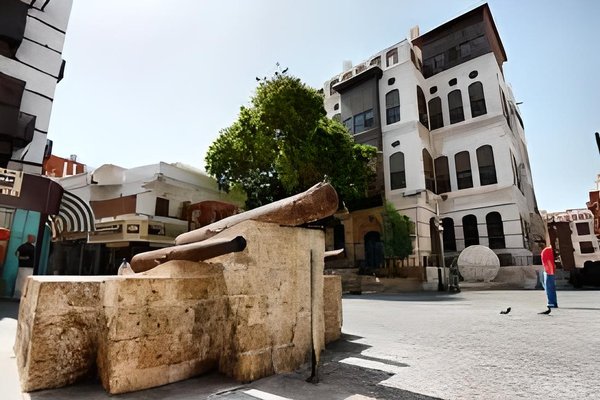
Beit Nassif
Nasseef House or Nassif House (Arabic: بيت نصيف Bayt Nasseef) is a historical structure in Al-Balad, Jeddah, Saudi Arabia. As of 2009, it is a museum and cultural center which has special exhibits and lectures given by historians.
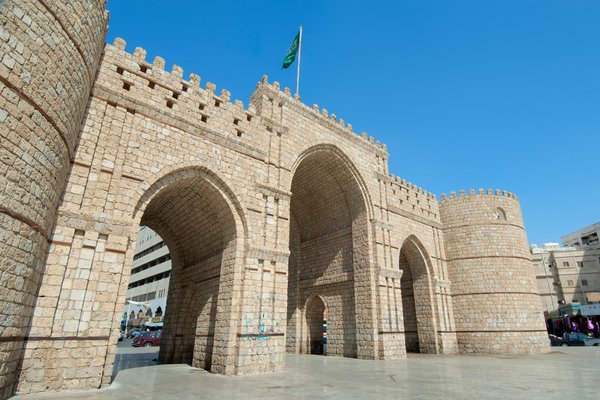
Historical Jeddah north gate
Al-Balad (Arabic: البلد) is the historical area of Jeddah, the second largest city of Saudi Arabia. Balad can literally be translated as "The Town." Balad is the historic center of the City of Jeddah.
Al-Balad was founded in the 7th century and historically served as the centre of Jeddah. Al-Balad's defensive walls were torn down in the 1940s. In the 1970s and 1980s, when Jeddah began to become wealthier due to the oil boom, many Jeddawis moved north, away from Al-Balad, as it reminded them of less prosperous times. Al-Balad had insufficient parking space for large cars. Its stores did not sell expensive designer clothing. Poor immigrants moved in place of the Saudi population. The municipality of Jeddah began historical preservation efforts in the 1970s. In 1991 the Municipality of Jeddah founded the Jeddah Historical Preservation Society to preserve the historical architecture and culture of Al-Balad. In 2002, US$4 million were earmarked for the preservation society. In 2009, Al-Balad was nominated by Saudi Commission for Tourism and Antiquities to be added to UNESCO's World Heritage list, and it was accepted in 2014.
In order to preserve the old structures within Al-Balad, the Historical Area Preservation Department was established in 1990, hoping also to help promoting cultural tourism in the country.[citation needed] The Saudi Crown Prince, Muhammad bin Salman, pledged $13.33 million to restore the old city in Jeddah as there were 56 buildings in urgent need of repair.
Many Jeddawis had moved away from Al-Balad by 2007; the streets of Balad were still packed with people during the month of Ramadan. Around that year the Jeddah Urban Development Company was formed to restore Al-Balad
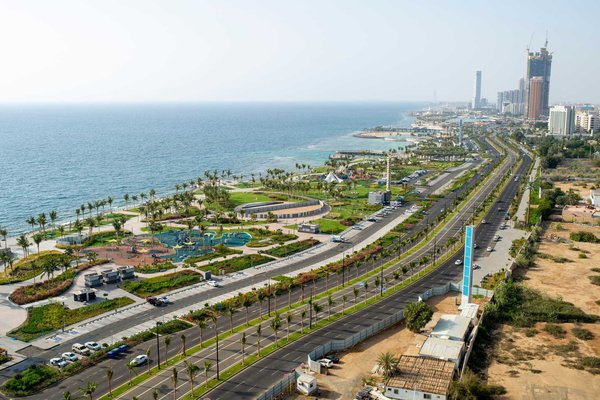
The New Jeddah Corniche
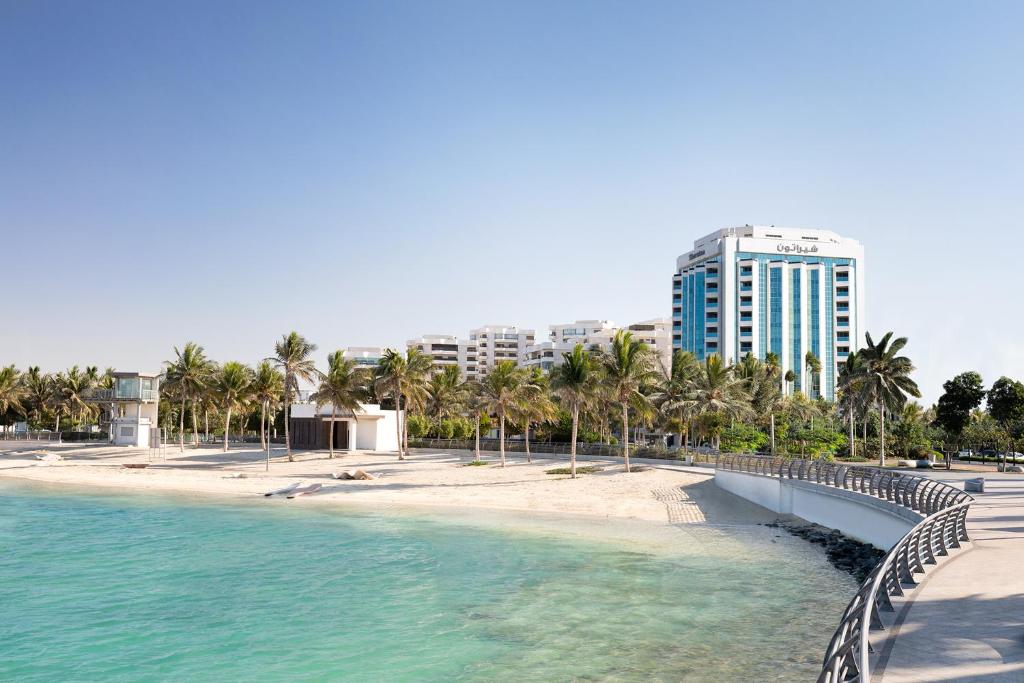
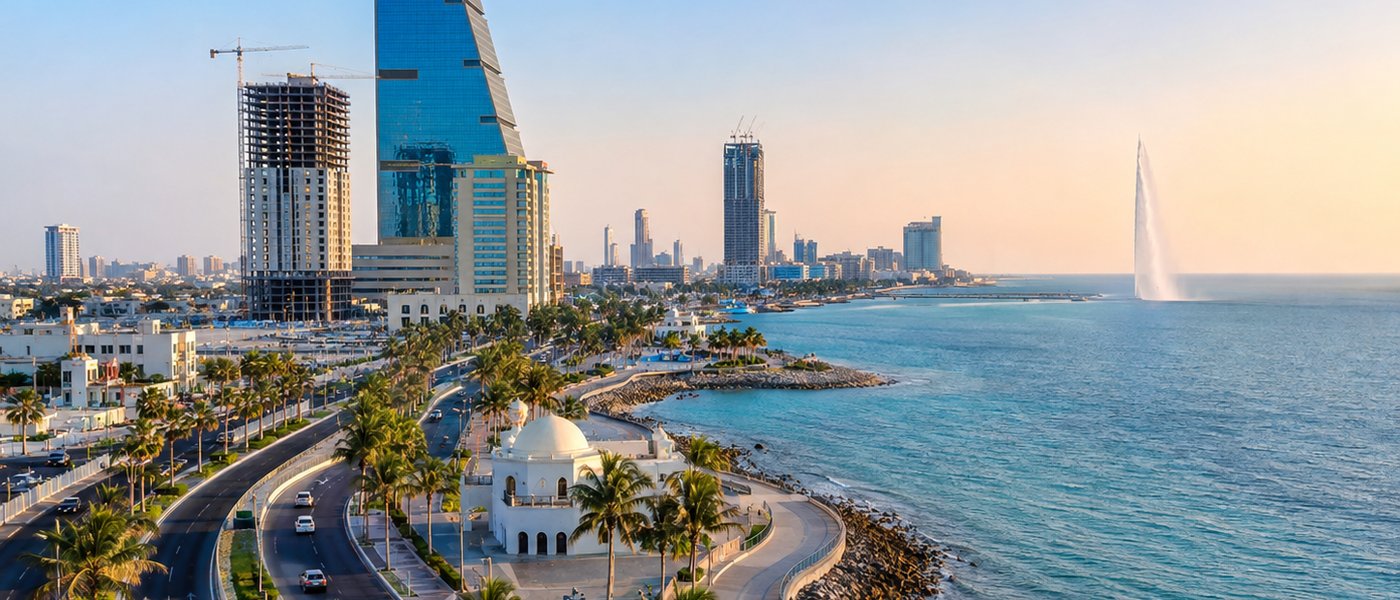
The Jeddah Corniche, also known as the Jeddah Waterfront (JW), is a 30 km coastal resort area of the city of Jeddah, Saudi Arabia. Located along the Red Sea, the corniche features a coastal road, recreation areas, pavilions and large-scale civic sculptures as well as King Fahd's Fountain, the highest fountain in the world. Also located here is the Al-Rahmah Mosque (formerly known as the Fatimah Mosque), which is a popular attraction to visitors.
The Jeddah Corniche derives its name from the original French and Italian term for a coastal road, especially a road along the face of a cliff.[citation needed]
In November 2017, the waterfront was inaugurated for visitors with the goal of being a tourist attraction in the city. It was launched as a response to a royal decree with the aim of improving the public facilities of the city of Jeddah. The established area is equipped with many facilities including restaurants, retail outlets, hotels, aquarium, cultural centre, water dancing fountain, blossoming gardens and fountains.
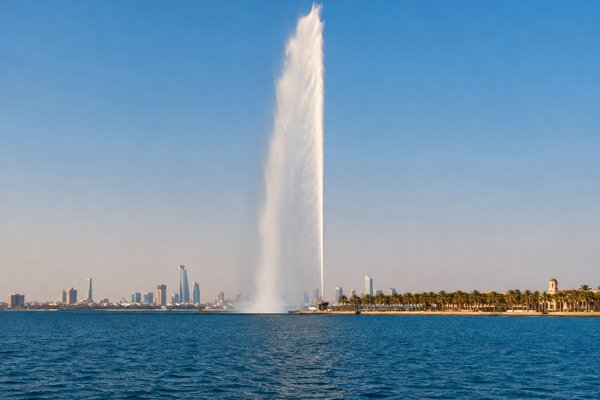
King Fahd Fountain
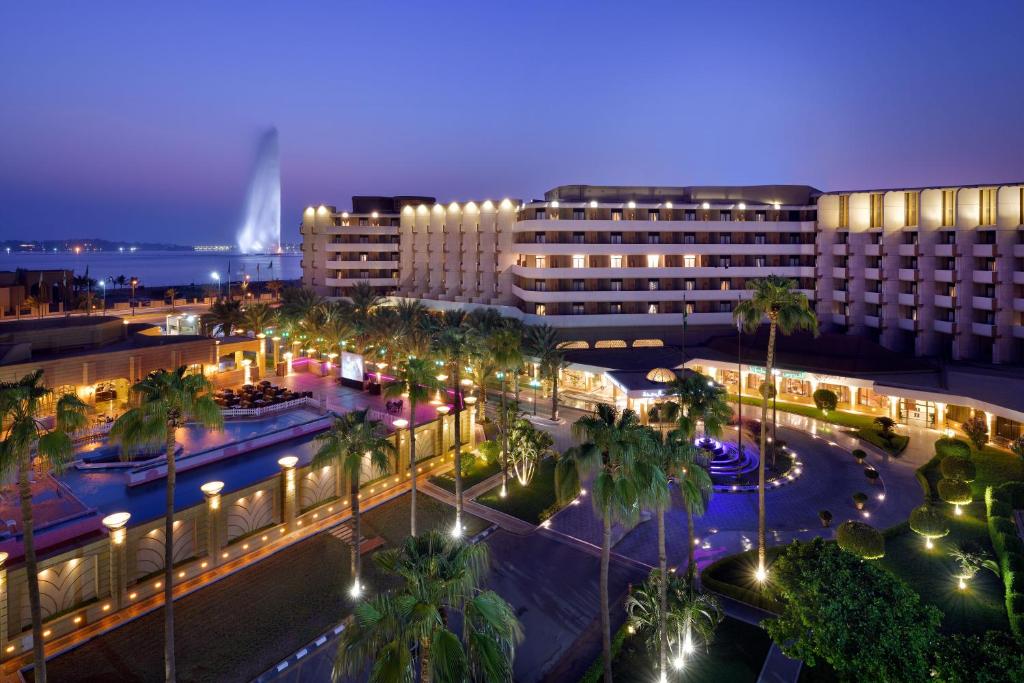
The spectacular King Fahd Fountain is one of Jeddah’s most recognizable landmarks and one of the tallest fountains of its kind in the world. Powerful jets send seawater more than 300 meters into the air above the Red Sea. At night, the illuminated fountain creates an impressive display that can be seen from many points along the Corniche.